
NEWS & EVENTS
APAL’s State Committee in Delhi, a total of 336 sweepers were granted permanent employment in the MCD House, Delhi.
Permanent Employment Facilitation for Sweepers Jobs through Rights-Based Advocacy of APAL
To advocate for and ensure the regularisation of employment for sweepers, including individuals affected by leprosy, by engaging with government authorities through a rights-based approach, thereby promoting dignity, security, and social inclusion in the workforce.
On 28th July 2025, through the continued efforts and rights-based advocacy of APAL’s State Committee in Delhi, a total of 336 sweepers were granted permanent employment in the MCD House, Delhi. Notably, among them, 8 individuals affected by leprosy received permanent job appointment letters.
The Mayor of Delhi MCD, along with the Deputy Mayor, Leader of the House, District Commissioner (DC), and Additional District Commissioner (ADC) Shri Anil Kumar ji, officially handed over the appointment letters to the sweepers during a formal ceremony.
Mr. Vijay Kumar, Delhi State Coordinator of APAL, was present at the proceedings and expressed heartfelt gratitude to all the dignitaries and officials involved in this significant achievement.

Members of APAL (Association of People Affected by Leprosy), along with local colony leaders, actively engaged with the Sangli-Miraj-Kupwad Municipal Corporation to advocate for the rights and welfare of persons affected by leprosy.
APAL’s Advocacy Visit and Civic Rights Representation at Sangli-Miraj-Kupwad Municipal Corporation Lok Adalat
To advocate for the rights and welfare of persons affected by leprosy by engaging with municipal authorities to address key civic issues.
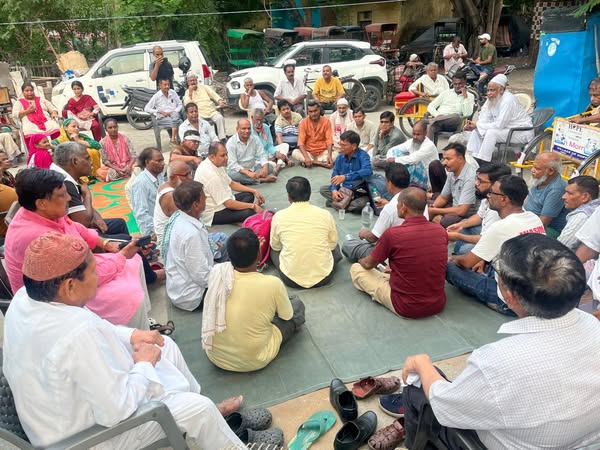
On 23rd July 2025, Members of APAL (Association of People Affected by Leprosy), along with local colony leaders, actively engaged with the Sangli-Miraj-Kupwad Municipal Corporation to advocate for the rights and welfare of persons affected by leprosy. A delegation visited the municipal headquarters and participated in the Lok Adalat held at the corporation hall named after Padma Bhushan Dr. Vasantraodada Patil. During this engagement, they met with the Municipal Commissioner and various department officials to raise pressing issues concerning vulnerable colonies such as Indira Colony, Ambewadi Colony, and the entire Sangli Force Colony area.
Key demands included an increase in the corporation pension for persons affected by leprosy, addressing the lack of proper housing, and solving the long-standing drinking water pipeline issues that have been affecting daily life in these colonies. The APAL representatives and community leaders made a strong appeal for immediate and sustained action, emphasizing the need for dignity, health, and basic civic rights for all people affected by leprosy in Sangli.
This initiative demonstrates the grassroots leadership and commitment of APAL in ensuring the voices of marginalized communities are heard at the administrative level, and that structural solutions are implemented to improve their quality of life.

The State Committee of APAL (Association of People Affected by Leprosy) in Andhra Pradesh submitted a memorandum to Dr. Padmavathi, the Director of Family Welfare and Health,
APAL’s Advocacy Visit to the Directorate of Family Welfare and Health in Andhra Pradesh
The objectives are to promote health inclusion through ulcer care services and social inclusion through AASHA job opportunities for children of persons affected by leprosy.
The State Committee of APAL (Association of People Affected by Leprosy) in Andhra Pradesh submitted a memorandum to Dr. Padmavathi, the Director of Family Welfare and Health, urging the government to strengthen ulcer care services for persons affected by leprosy. In the memorandum, APAL highlighted that although the Health Department is currently conducting medical camps once or twice a month and providing dressing materials, the support is limited and only lasts for about three days. Given the continuous and urgent need for ulcer care, the Committee strongly appealed for more frequent and regular services—preferably once in every three days—to effectively address the health needs of those living with leprosy-related complications.
Additionally, APAL raised an important issue concerning the employment of AASHA workers. The Committee requested that the government allocate AASHA posts to the children of people affected by leprosy who meet the required qualifications. This initiative would not only provide livelihoods to the families of persons affected by leprosy but also promote inclusion and representation in the public health workforce. Dr. Padmavathi responded positively to the requests and assured the delegation that she would make sincere efforts to address these concerns at the earliest possible time. On this advocacy activity, from the state committee.

The state committee of APAL (Association of People Affected by Leprosy) in Telangana met and submitted a formal memorandum to the newly elected BJP State President,
On 08-07-2025 (Tuesday), the state committee of APAL (Association of People Affected by Leprosy) in Telangana met and submitted a formal memorandum to the newly elected BJP State President, Shri N. Ramachandra Rao. The committee congratulated him on his recent appointment and expressed hope for strong and inclusive leadership under his guidance. The memorandum emphasized the pressing need to support persons affected by leprosy and other disabilities, particularly in terms of financial assistance. One of the key demands was a request to increase the monthly pension for persons with disabilities by ₹6000, to ensure a life of dignity and minimal economic security.
The petition, was formally submitted by the APAL’s State Committee with representation from key state leaders, including Maniyda Ramesh, M. Samuel, V. Dominic, and J. Akash. During the meeting, the committee highlighted the ongoing challenges faced by persons affected by leprosy in Telangana, especially those living in colonies and marginalised settings.

APAL (Association of People Affected by Leprosy) actively participated in the Global Forum held in Bali, Indonesia, representing the voices and concerns of individuals and communities affected by leprosy across Asia.
On 4th to 6th July 2025, APAL (Association of People Affected by Leprosy) actively participated in the Global Forum held in Bali, Indonesia, representing the voices and concerns of individuals and communities affected by leprosy across Asia. During the forum, APAL presented two important need assessments that were developed through direct engagement with its grassroots networks. Need Assessment 1 focused on identifying the urgent and long-term needs of individuals affected by leprosy. It highlighted critical issues such as access to healthcare, stigma and discrimination, lack of livelihood opportunities, and the need for inclusive and dignified social protection mechanisms.
In addition, Need Assessment 2 addressed the specific challenges faced by community-based organizations that are led by people affected by leprosy. This assessment emphasized the necessity of sustained financial support, technical capacity building, and meaningful inclusion in policy-making spaces. APAL underscored how these organizations play a vital role in advocacy, service delivery, and peer support — yet often operate with limited resources and recognition.
Throughout the forum, APAL made active contributions to the group discussions and shared real-world experiences from its extensive community network. Its representatives provided strong and practical inputs to the drafting of the forum’s recommendations. APAL also reaffirmed its commitment to working in solidarity with people affected by leprosy and their families, thereby underscoring its mission to promote dignity, rights, and equal participation at all levels of society. The forum served as an important platform for APAL to amplify the voices of those who are too often unheard, ensuring that their perspectives shape the global leprosy agenda.
APAL conveys our gratitude to the Sasakawa Health Foundation for the great opportunity to participate in the global forum and the International Leprosy Congress.

The President of the Association of People Affected by Leprosy (APAL), Maya Ranavare, participated in the ILEP and Advisory Members Panel Meeting held in Bali, Indonesia
The President of the Association of People Affected by Leprosy (APAL), Maya Ranavare, participated in the ILEP and Advisory Members Panel Meeting held in Bali, Indonesia. This significant gathering brought together global stakeholders to discuss strategies for advancing the rights, dignity, and inclusion of people affected by leprosy. As a respected leader and voice of the leprosy-affected community in India, Ms. Ranavare contributed valuable insights based on APAL’s grassroots experiences and advocacy efforts. Her presence underscored the importance of including lived experiences in shaping global policies and programs that directly impact affected individuals and communities.
During the meeting, an important focus was placed on the advocacy services provided to people affected by leprosy worldwide. These discussions explored how effective advocacy not only raises awareness but also ensures that governments and institutions are held accountable for delivering health, social, and legal services in a non-discriminatory and rights-based manner. Maya Ranavare emphasized the need for inclusive and sustained engagement with affected communities at all levels, particularly in decision-making spaces. She also highlighted APAL’s continued commitment to amplifying the voices of those who remain marginalized due to leprosy-related stigma.
A key moment of the meeting was the participation of Ms. Beatriz Miranda-Galarza, the United Nations Special Rapporteur on the elimination of discrimination against persons affected by leprosy and their family members. Ms. Miranda-Galarza shared her ongoing efforts to address structural and systemic discrimination on an international scale, including her collaborations with civil society and affected persons. Her presence brought renewed attention to the need for legal reform, awareness, and accountability to eradicate stigma. Maya Ranavare and others are expressed gratitude for Ms. Miranda-Galarza’s work and called for continued solidarity and international support to advance the rights and welfare of those affected by leprosy globally.
As part of its continued commitment to the dignity and rights of persons affected by leprosy, the Association of People Affected by Leprosy (APAL), along with the APAL State Committee, conducted a joint site verification visit to two colonies in Delhi
Joint Site Verification Report: APAL & State Committee Visit – Delhi
As part of its continued commitment to the dignity and rights of persons affected by leprosy, the Association of People Affected by Leprosy (APAL), along with the APAL State Committee, conducted a joint site verification visit to two colonies in Delhi: Lok Mata Kushtha Ashram in Anand Parvat and Shalimar Leprosy Colony. This visit, led by APAL Vice President Shri Jawaharlal Ram Paswan, APAL Jharkhand State Leader Shri Madhusudan Tiwari, and local guide Shri Arjun Ram, aimed to assess the living conditions, infrastructural gaps, and urgent needs of the residents.
1. Lok Mata Kushtha Ashram, Anand Parvat
Inspection Date: 16 June 2025
Total Families: 43
Land Ownership: Delhi Development Authority (DDA)
Colony Pradhan: Mrs. Jaya Reddy
The inspection revealed critical issues affecting the well-being of residents. The colony was found to be submerged in rainwater, with water stagnating inside homes and toilets—creating serious sanitation and health risks. Drinking water was found to be impure, increasing the vulnerability of already at-risk residents. Moreover, 10 families have been unjustly removed from the official house list, causing deep distress and exclusion from housing benefits.
This flooding and health hazard occur repeatedly every year, yet the colony remains neglected. APAL recommends a permanent drainage system, reinstatement of the 10 excluded families, elevation of water pipelines, and inclusion of the colony in the PMAY housing scheme to ensure long-term relief.
2. Shalimar Kushtha Colony
Inspection Date: 19 June 2025
Total Families: 10 (including 4 leprosy-affected families)
Land Ownership: DDA
The second visit to Shalimar Leprosy Colony exposed an even more alarming situation. The colony comprises kutcha houses with no drainage, no toilets, and a critical shortage of water, especially during summer. The families are completely deprived of all government schemes, and social tension prevails due to the cohabitation of leprosy-affected and non-affected families under the same roof.
The colony head expressed helplessness:
“We are facing many difficulties here, but no solution is being found.”
Given the small size of the colony and the lack of facilities, APAL strongly recommends relocating these 10 families to a nearby, better-equipped colony. This would ensure access to basic services and government schemes. A rehabilitation plan should be developed by DDA/NDMC, with APAL involved in monitoring the relocation and dialogue process to protect the rights and dignity of the residents.
Conclusion:
The conditions in both colonies reflect a serious denial of basic human rights, social dignity, and essential public services for persons affected by leprosy. These long-standing problems have remained unresolved for years. APAL India strongly urges the relevant departments, particularly DDA and NDMC, to take immediate and coordinated action to address the needsof these vulnerable communities.
In May and June 2025, supported by APAL India’s national team, the Bihar Committee intensified its advocacy activities. On 2 June 2025, APAL’s Bihar State Committee engaged with officials in Purnia to push for enhanced healthcare and social entitlement access for those in leprosy colonies
APAL’s advocacy in Bihar and the recent government action:
APAL’s State Committee in Bihar has consistently stepped up its intervention at both block and state levels. A prime example is its proactive push in early 2024, when the committee formally petitioned authorities on behalf of leprosy-affected individuals in Motihari Colony whose disability pensions had been discontinued
This action, led by activist Mr. Ramavarai Sah, ensured the reinstatement of pensions and showcased APAL’s strategic use of direct engagement with government officials.
Beyond individual cases, APAL has engaged in extensive advocacy across leprosy colonies. On 13 March 2024, the State Committee’s delegation visited Banmankhi Colony in Purnia to highlight dire living conditions: families dwelling in plastic-sheet huts on land without legal tenure
They submitted memoranda calling on authorities to secure land rights, urging remedial action to stabilize housing and support among colony residents.
In May and June 2025, supported by APAL India’s national team, the Bihar Committee intensified its advocacy activities. On 2 June 2025, APAL’s Bihar State Committee engaged with officials in Purnia to push for enhanced healthcare and social entitlement access for those in leprosy colonies
Then on 26 May 2025, they held a high-level advocacy meeting—with senior leaders present—to press the state government on disability pension entitlement issues
These efforts ultimately yielded tangible results: Bihar’s Social Security Pension Scheme was officially revised, boosting monthly pension—previously ₹400—for persons with disabilities (including those affected by leprosy) to ₹1,100. The new rate, set to take effect from 1 July 2025, was announced by Chief Minister Nitish Kumar ahead of the upcoming state elections.

State Committee in Telangana, in collaboration with the Hill of Hope Foundation, organized a vital outreach program in Shanthinagar Leprosy Colony and Santhoshnagar Leprosy Colony.
Medical Support and Relief Distribution Drive at Shanthinagar and Santhoshnagar Leprosy Colonies,
On 26th June 2025, APAL’s State Committee in Telangana, in collaboration with the Hill of Hope Foundation, organized a vital outreach program in Shanthinagar Leprosy Colony and Santhoshnagar Leprosy Colony. This collaborative initiative focused on extending medical support and supplies to 150 persons affected by leprosy, who live in marginalized and underserved conditions.
The APAL State Committee facilitated the coordination between the community members and the Foundation, ensuring that the materials reached those most in need. The supplies included basic medicines, wound care kits, protective footwear, and hygiene items specifically designed to aid in the long-term care of people with leprosy-related disabilities. This effort reflects APAL’s ongoing commitment to health equity and dignity for persons affected by leprosy. Through such partnerships, the organisation continues to strengthen its grassroots presence.

APAL’s State Committee in Telangana, Maniyada Ramesh, APAL’s State Coordinator a dedicated camp was organized at Sivananda Rehabilitation Home (SRH), Kukatpally
APAL’s State Committee in Telangana on the on-site UDID distribution event at SRH, Kukatpally:
On June 22, 2025, under the initiative of APAL’s State Committee in Telangana, Maniyada Ramesh, APAL’s State Coordinator a dedicated camp was organized at Sivananda Rehabilitation Home (SRH), Kukatpally. During this event, 72 individuals affected by leprosy received their Unique Disability ID (UDID) cards on the spot. The fully inclusive camp covered enrollment, card generation, and handover, ensuring that beneficiaries obtained this critical government-issued documentation directly, without having to navigate external bureaucratic processes.
Empowering Through Identity Documentation
The UDID card serves as a universal, officially recognised disability certificate under the Rights of Persons with Disabilities (RPwD) Act, 2016. Replacing older certification formats, it holds nationwide validity and standardises identification, affirming each individual’s dignity and rights.
Facilitating Access to Welfare Benefits
A central aim of the event was to facilitate access to essential welfare schemes. Once equipped with a UDID card, recipients can more efficiently claim government aid such as pensions, travel concessions, healthcare subsidies, assistive devices, and educational or vocational support. Eliminating bureaucratic delays empowers beneficiaries to access services seamlessly, boosting healthcare access, social inclusion, and livelihood prospects.
Projected Long-term Impact
With 72 individuals now equipped with official identification, the event marks a powerful stride toward dignity, empowerment, and equality. The UDID cards are more than documents—they are tools that help reduce stigma, promote independence, and foster equity. Over time, these cards will serve as gateways to services and full societal integration.
