
NEWS & EVENTS
APAL’s State Committee in Bihar, a dedicated team, met with Mr. Samrat Choudhary, the Deputy Chief Minister of Bihar, to bring attention to the pressing needs of persons affected by leprosy in the state.
APAL Bihar Team’s Advocacy Meeting with Deputy Chief Minister of Bihar
To submit a request for the implementation of a leprosy pension scheme and advocate for financial support and dignity for persons affected by leprosy.
On 18th June 2025, APAL’s State Committee in Bihar, a dedicated team, met with Mr. Samrat Choudhary, the Deputy Chief Minister of Bihar, to bring attention to the pressing needs of persons affected by leprosy in the state. During the meeting, the team formally submitted an application requesting the provision of a leprosy pension, aimed at ensuring a basic level of financial support and dignity for those who have long been marginalized and continue to face socioeconomic hardships due to the disease.
Mr. Choudhary listened attentively to the team’s appeal and expressed genuine concern about the issues raised. He acknowledged the importance of the matter and assured the team that he would personally review the request. His response gave a sense of hope and commitment toward addressing the needs of leprosy-affected individuals in Bihar. The APAL Bihar team remains optimistic that the state government will take necessary and timely action to implement the leprosy pension scheme, marking a significant step toward inclusion, support, and justice for the affected community.

The State Committee of the Association of People Affected by Leprosy in Maharashtra recently held a crucial meeting with Dr. Ramji Adikekar, the State Leprosy Officer (SLO) of Maharashtra.
Meeting with State Leprosy Officer, Maharashtra: Addressing Health Challenges Faced by Persons Affected by Leprosy
The State Committee of the Association of People Affected by Leprosy in Maharashtra recently held a crucial meeting with Dr. Ramji Adikekar, the State Leprosy Officer (SLO) of Maharashtra. The purpose of the meeting was to discuss the ongoing health issues encountered by persons affected by leprosy in the state and to collaboratively explore viable solutions to improve their overall well-being.
During the meeting, the APAL representatives shared ground-level realities, including gaps in timely diagnosis, irregular supply of Multi-Drug Therapy (MDT), lack of follow-up care for leprosy-related complications, and the need for increased awareness at both community and health provider levels. The team also emphasized the challenges faced by elderly PALs, including disability care, access to reconstructive surgeries, and long-term rehabilitation support.
Dr. Adikekar appreciated the concerns raised by APAL and acknowledged the need for a strengthened and more inclusive health response. He assured the team that the health department would take steps to ensure a regular supply of medicines, improve coordination with local health centers, and organize special camps for disability management and ulcer care in high-burden areas. He also expressed support for community-based awareness campaigns and collaboration with PAL-led organizations to ensure that the voices of affected individuals are central to program planning.
This meeting marked a positive step toward better state-level coordination and highlighted the importance of continuous dialogue between government health officials and affected communities to effectively address leprosy-related health issues in Maharashtra.

The APAL State Committee of Maharashtra, in collaboration with the Maharashtra Kusta PD Sanghatna Karyakarini team, convened a review meeting to assess ongoing activities and strengthen future strategies.
On 15th June 2025, The APAL State Committee of Maharashtra, in collaboration with the Maharashtra Kusta PD Sanghatna Karyakarini team, convened a review meeting to assess ongoing activities and strengthen future strategies. The session focused on evaluating the progress made in advocacy, community engagement, and service delivery to persons affected by leprosy. The meeting also highlighted the importance of streamlining coordination between APAL and the local grassroots structures to improve outreach and support mechanisms.
The team exploring how visual tools and creative media could be effectively used for awareness campaigns, stigma reduction, and training materials. Looking ahead, the Maharashtra State Committee and the Kusta PD Sanghatna team committed to expanding digital outreach, strengthening grassroots leadership, and initiating new community-based programs tailored to the needs of persons affected by leprosy. This forward-looking approach underlines their dedication to inclusion, dignity, and rights-based development.

APAL, along with its Tamil Nadu State Committee, conducted a visit to Karnai Nagar Leprosy Colony in Karigiri, Tamil Nadu
APAL Tamil Nadu Visit to Karnai Nagar Leprosy Colony,To assess living conditions and advocate for disability pensions and sanitation facilities for leprosy-affected residents.
On 14th May 2025, APAL, along with its Tamil Nadu State Committee, conducted a visit to Karnai Nagar Leprosy Colony in Karigiri, Tamil Nadu. The visit was led by Ms. Maya Ranavare, President of APAL, accompanied by Mr. Govind Swamy, Executive Member, and Mr. Rajendran, the State Coordinator for Tamil Nadu.
During their interaction with the residents, the team assessed the current living conditions, including access to healthcare facilities, social entitlements such as pensions, and the overall infrastructure of the colony. One of the key concerns raised by the residents was the lack of disability pensions and the urgent need for toilets for the 46 houses, as well as sufficient common sanitation facilities. Taking serious note of these issues, APAL assured the community that they would work closely with relevant authorities to resolve the problems at the earliest, reaffirming their commitment to improving the quality of life for people affected by leprosy.

Advocacy Meeting with Member of Parliament Mr. Anna Saheb for the Development of Pimpri Chinchwad Leprosy Colony
APAL Moti Sagar (Sitamarhi) Leprosy Ashram Visit:
On June 12, the APAL State Committee visited the Moti Sagar Leprosy Ashram located in Sitamarhi, Korba. The ashram supports children studying up to the 11ᵗʰ standard through scholarship programs, ensuring their education is not disrupted despite health challenges. During the visit, it was observed that this colony consists of 28 houses with a total of 85 residents affected by leprosy. A critical need noted was the uninterrupted availability of daily medications and ulcer care, which are essential for both children and adults to maintain their treatment regimen and prevent complications.
Leprosy Ashram, Mudapar (Korba):
Later in the day, the team visited another leprosy-affected colony in the area—referred to locally as the Leprosy Ashram at Mudapar. This community comprises 24 households with 35 individuals currently undergoing treatment. Among them, six people are affected by “pushp” (ulcerated lesions), which require immediate and focused medical attention. The APAL team emphasized the importance of establishing a consistent supply chain for daily drugs as well as dressing materials to manage ulcers effectively and avoid disability.
Community Self‑Care Training at Dildar and Beldar Paras:
In parallel, APAL members conducted self-care training sessions in two nearby paras—Dildar Para and Beldar Para. These sessions covered essential practices such as daily wound cleaning, proper dressing techniques, and hygiene habits to prevent secondary infections. By empowering residents with practical self-care knowledge, the committee aimed to reduce the burden on healthcare providers and promote sustained ulcer management at the community level.
Summary of Imperatives and Future Action Plan:
The June 12 visit underscored several urgent needs across the colonies:
A stable supply of daily leprosy medication for both children and adults, especially in educational settings like Moti Sagar.
Access to ulcer care supplies, including dressings and antiseptics, particularly for the six residents with pushp.
Continued scholarship support for school-going children to link health and education outcomes.
Ongoing self-care initiatives in paras to reinforce skills and independence in managing leprosy complications.
With 85 individuals in Sitamarhi and 35 in Mudapar, making a combined total of 120 people affected, the APAL State Committee’s coordinated efforts to deliver medication, education, ulcer care, and community training are vital. Sustained follow-up, resource mobilisation, and caregiver empowerment will significantly improve health outcomes and prevent further disabilities.
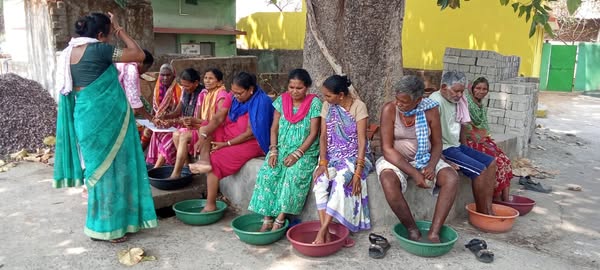
APAL Submission of Memorandum to the Governor of Bihar for Leprosy Pension Increase
APAL Submission of Memorandum to the Governor of Bihar for Leprosy Pension Increase
On 10th June 2025, APAL’s State Committee in Bihar was to request the honourable Governor of Bihar, Mr. Arif Mohammad Khan, to increase the disability pension amount for persons affected by leprosy in the state.
During the visit, an official application was submitted at the Governor’s office seeking an appointment to discuss the issue in person. The committee hopes to receive a call for a direct meeting soon, which will enable further dialogue and follow-up reporting on the matter.

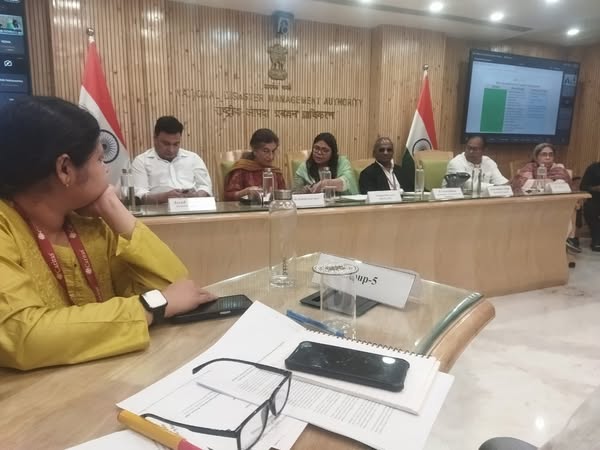
Participation of APAL in NDMA Meeting on Support for Persons with Disabilities in Disasters, 4th & 5th June 2025, New Delhi
Participation of APAL in NDMA Meeting on Support for Persons with Disabilities in Disasters
4th & 5th June 2025, New Delhi
On the 4th and 5th of June 2025, the National Disaster Management Authority (NDMA) convened a pivotal meeting in New Delhi aimed at strengthening government support for persons with disabilities during disasters. The Association of People Affected by Leprosy (APAL) was represented at this important forum by Mr. Vijay Kumar, Delhi State Coordinator of APAL, who was specially invited to contribute the perspective of persons affected by leprosy.
During the proceedings, Mr. Vijay Kumar was allotted five minutes to present his views from the stage. He used this opportunity to bring national attention to the challenges faced by a large number of persons with disabilities residing in leprosy colonies (Kusth Ashrams) across India. He emphasized a critical gap in the Government of India’s disaster preparedness: the absence of a comprehensive database of persons with disabilities living in these colonies, despite multiple surveys having been conducted in the past.
Mr. Kumar also highlighted the lack of dedicated shelter homes within leprosy colonies, leaving residents particularly vulnerable during natural disasters. He advocated for the development of a national policy, led jointly by the NDMA and the Ministry of Health and Family Welfare, to systematically address the specific needs of persons with leprosy-related disabilities in disaster contexts.
Key Recommendations Presented:
Provision of ulcer dressing services and the supply of essential medical materials to all persons with leprosy-related disabilities.
Appointment of trained medical dressers in every leprosy colony to ensure regular care and support.
Construction of disaster-resilient shelter homes within all leprosy ashrams to provide safe refuge in times of emergency.
In addition to physical vulnerabilities, Mr. Kumar spoke about the social stigma and economic hardships experienced by many leprosy-affected individuals. He pointed out that family rejection and societal discrimination often force these individuals to live in extreme poverty, sometimes on the streets, without access to basic services or protection during disasters.
He issued a strong appeal to the Government of India to prioritise this highly marginalised group in all future disaster management and welfare programs. In his closing remarks, Mr. Kumar stated:
“Leprosy-affected persons with disabilities continue to be marginalised. I request the Government of India to ensure that they receive proper support and opportunities to live independent lives with dignity and equality in society.”
Conclusion
APAL’s participation in the NDMA meeting was a significant step in ensuring that the voice of leprosy-affected persons with disabilities is included in national disaster management strategies. The recommendations presented by Mr. Vijay Kumar were well-received by NDMA officials and other stakeholders. APAL will continue its advocacy efforts to ensure these crucial issues are addressed in upcoming policies and programs.
APAL’s State Committee in Telangana, in collaboration with local donors and well-wishers, distributed foodgrains
On 5th June 2025, APAL’s State Committee in Telangana, in collaboration with local donors and well-wishers, distributed foodgrains to 23 families of persons affected by leprosy at Shanthi Nagar Colony in Peddamberpet, Telangana.
APAL extends heartfelt gratitude to the generous sponsors for their valuable support towards improving the lives of people affected by leprosy. Special thanks to Mr. Maniyada Ramesh, APAL’s State Coordinator in Telangana, for his active involvement and dedicated efforts in organising and facilitating the distribution program.

APAL’s State Committee in Bihar On 2 June 2025, a significant step was taken toward improving healthcare for leprosy-affected individuals in Purnia, Bihar, with the establishment of a permanent dressing center at Bal Krishna Leprosy Colony.
APAL’s State Committee in Bihar On 2 June 2025, a significant step was taken toward improving healthcare for leprosy-affected individuals in Purnia, Bihar, with the establishment of a permanent dressing center at Bal Krishna Leprosy Colony. This initiative, spearheaded by the Mahanaim Healing Ministry Trust, directly benefits the 45 residents from three nearby colonies: Bal Krishna Leprosy Colony, Banmankhi Leprosy Colony, and Purnia Court Station Colony. For years, these individuals had been suffering without access to basic medical care, resulting in recurring wounds and infections. The newly established center now provides regular wound cleaning, bandaging, first aid, and essential counselling services free of charge, significantly improving the quality of life for the patients. The realization of this centre was made possible through collaborative efforts from local leaders and organisations. Mr. Ramesh Prasad, State Coordinator of APAL Bihar, took the initiative to connect with Mahanaim Healing Ministry Trust, seeking support for the patients. Organisational backing was provided by Shri Bindesari Rishidev, along with grassroots support from Mr. Mohammad Tajemul, Mr. Bechan Rishidev, and Mr. Laxman Rishidev—representatives of the three leprosy colonies. Their joint advocacy ensured that the voices of the marginalised were heard, and the critical healthcare need was addressed. The dressing centre now stands as a testament to community-driven healthcare reform and compassionate intervention

“Advocacy Interaction During NHRC Visit to Danapur Leprosy Colony”
“Advocacy Interaction During NHRC Visit to Danapur Leprosy Colony”
To raise critical issues of exclusion and housing rights faced by leprosy-affected persons and advocate for their inclusion in government schemes and programs.
On 26th May 2025, the State Committee of the Association of People Affected by Leprosy (APAL) in Bihar took a significant step in advocating for the rights of persons affected by leprosy. During a visit to the Danapur Leprosy Colony by a delegation from the National Human Rights Commission (NHRC) of India, which included representatives from NLR India, the District Leprosy Prevention Officer (DLO), and other concerned officials, APAL leaders actively brought critical issues to light. The visit marked a key opportunity for the APAL State Committee to raise the voices of the community and highlight the neglect faced by leprosy-affected individuals in Bihar.
During the interaction, senior colony members, Mr. Ramesh APAL’s State Coordinator and Mr. Kamlesh, strongly conveyed their concerns to the NHRC team. One of the major issues raised was the exclusion of APAL leaders from government programs and activities coordinated by the District Leprosy Prevention Office. This lack of community participation contradicts the principles of rights-based approaches and meaningful inclusion, which are essential for the empowerment and dignity of persons affected by leprosy.
Another major concern presented to the Commission was the irregular and incomplete implementation of the Pradhan Mantri Awas Yojana (PMAY) in Bihar. Despite being eligible, many families residing in various leprosy colonies across the state have not received the benefits of the housing scheme. This deprivation has continued for years, leaving affected families in vulnerable living conditions without proper shelter. The APAL State Committee demanded immediate intervention from the authorities to ensure that the promises of central welfare schemes are fulfilled for all, without discrimination or delay. Through this engagement with the NHRC, the APAL State Committee in Bihar has reaffirmed its commitment to protecting the rights and dignity of people affected by leprosy. The Committee called for more inclusive governance and stronger accountability mechanisms, urging both state and central authorities to work closely with community leaders to address these long-standing issues.
