NEWS & EVENTS
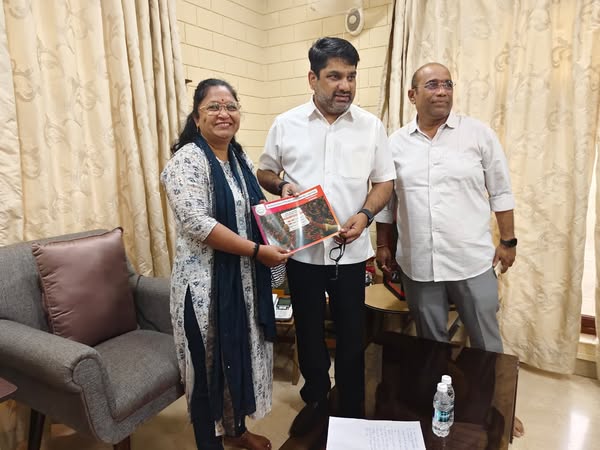
APAL State Committee in Maharashtra, along with Maya Ranavare, President Apal India, had the privilege of meeting Hon’ble MLA Mr. Satej Patil
On 1st September 2025, APAL State Committee in Maharashtra, along with Maya Ranavare, President Apal India, had the privilege of meeting Hon’ble MLA Mr. Satej Patil.
During the meeting, we shared about APAL’s activities, vision, and mission, and requested his kind support to strengthen persons affected by leprosy and their families.
Together, we believe we can build a future of dignity, rights, and equal opportunities for our community
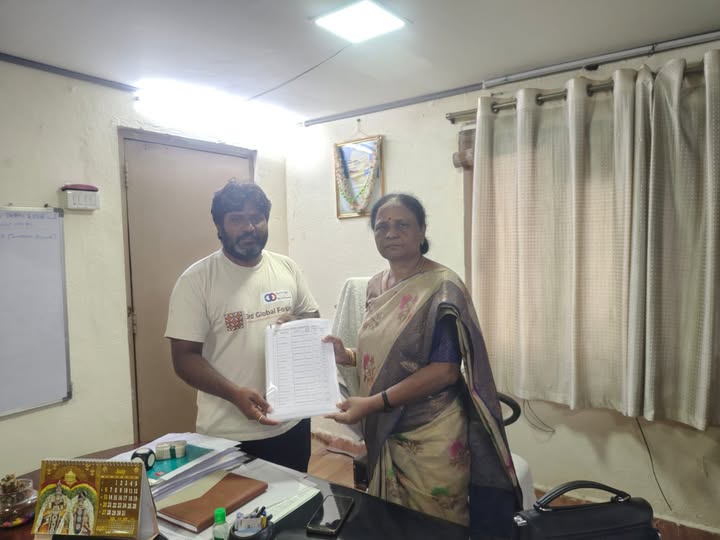
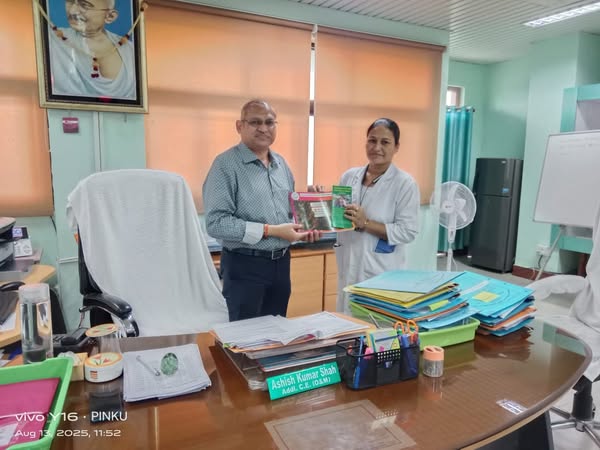
APAL advocacy Meeting with the Director of Health & Family Welfare, Andhra Pradesh
APAL advocacy Meeting with the Director of Health & Family Welfare, Andhra Pradesh
To address the suspension of pensions for persons affected by leprosy in Andhra Pradesh by submitting data to the concerned authority, seeking immediate government intervention, and ensuring proactive steps for re-evaluation of medical certificates so that affected persons can continue to receive their rightful benefits.
On August 28, 2025, the Apal India State Committee in Andhra Pradesh has been actively addressing the concerns of people affected by leprosy in the state. Mr. Prakash Done (Treasurer of APAL & State Committee Secretary), along with Mr. Nataraj (Bapatla Colony President), Mr. John (Youth Leader), and several leprosy patients, met Dr. Padmavathi, Director of Health & Family Welfare (AP) and Joint Director of Leprosy. They submitted data regarding the suspension of pensions for individuals affected by leprosy, highlighting the urgent need for government intervention.
In response, Dr. Padmavathi acted immediately by providing the Government Order (G.O.) copy and convening a Zoom meeting with all District Leprosy Officers (DLOs) while the delegation was present. She issued clear guidelines, emphasising proactive re-evaluation of medical certificates and encouraging direct follow-up with concerned officials.
On behalf of all persons affected by leprosy, APAL extend heartfelt gratitude to her for her swift action, guidance, and commitment to safeguarding the rights and dignity of the community. Special thanks to Mr. Prakash for his active contributions to the leprosy community.
APAL’s State Committee in Jharkhand Facilitates Skill Training for Children of Leprosy-Affected Families.
APAL’s State Committee in Jharkhand Facilitates Skill Training for Children of Leprosy-Affected Families.
This initiative aims to provide equal opportunities for the children of leprosy-affected families, helping them overcome stigma and discrimination by acquiring technical skills for employment. It will empower them to build a dignified and independent future, breaking the cycle of poverty and dependence often associated with leprosy colonies.
On 8th August 2025, APAL’s State Committee in Jharkhand approached the District Leprosy Prevention Officer (DLO), Gaya, to request preparation of certificates for 12 children belonging to families affected by leprosy, residing in Mansa Singh Gate Leprosy Colony, Post Railway Colony, Thana Balidih, District Bokaro, Jharkhand. The plan was to enroll these children in skill development courses at the ITI Institute, Champa, Chhattisgarh, enabling them to receive technical education in various trades and move towards self-reliance.
Following this, on 21st August 2025, the required documents of the 12 children were completed and forwarded to the training center at Champa, Chhattisgarh. Their admissions have been successfully completed, and now these children will begin technical training across different trades, opening up opportunities for sustainable livelihood and empowerment.
Awareness Meeting on Leprosy with Atal Bihari Vajpayee Power Plant Officials in Champa, Chhattisgarh.
Awareness Meeting on Leprosy with Atal Bihari Vajpayee Power Plant Officials in Champa, Chhattisgarh.
To introduce APAL’s work, spread awareness on leprosy as a curable disease, address issues of stigma and discrimination, and encourage support for social inclusion and equal opportunities for persons affected by leprosy.
On 20th August 2025, “Ms. Keroline, Executive Member of APAL, was invited to and participated in a meeting with all the officials of the Atal Bihari Vajpayee Power Plant. In this meeting, she gave a detailed presentation about the work of APAL and also created awareness about leprosy.
She explained that leprosy is a curable disease if detected early and treated with free MDT (Multi-Drug Therapy) provided by the Government. She also emphasized that people affected by leprosy should not face discrimination in society or at the workplace. Ms. Keroline highlighted the need for timely diagnosis, treatment, rehabilitation, and social inclusion of persons affected by leprosy. She urged the officials to support awareness campaigns, extend cooperation in reducing stigma, and ensure equal opportunities for people affected by leprosy.”
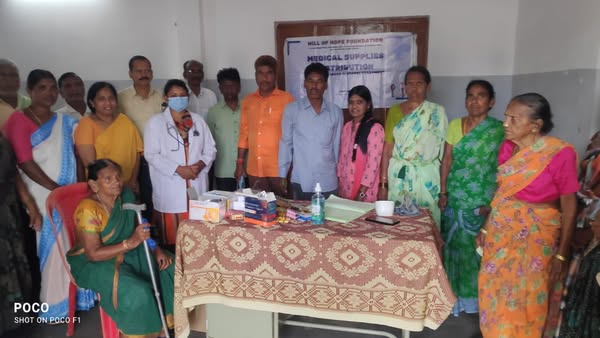
*Medical Camp for Persons Affected by Leprosy*
*Medical Camp for Persons Affected by Leprosy*
To provide free health check-ups and medicines to improve the well-being of persons affected by leprosy
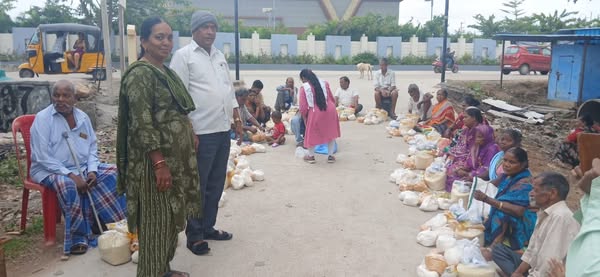
APAL, in collaboration with HOF, conducted a Medical Camp on 13th August 2025 (Wednesday) at Shantinagar Colony Community Hall, Pedda Amberpet, benefiting 100 persons affected by leprosy.
The camp was organized in the presence of Mr. M. Ramesh, APAL’s Coordinator in Telangana. HOF representatives — Mrs. Aruna, Mr. Anantharam, and Mrs. Rani — facilitated the Mini Medical Camp, during which Dr. Rudramadevi from the Government Hospital conducted Sugar and BP tests and provided medicines.
Mr. Shantiraju, DPMO, and Mr. Yadagiri, Lab Technician from Abdullahpurmet PHC, conducted sugar tests. ASHA Worker Vanaja, Colony President M. Samuel, V. Dominic, and residents of the colony actively participated in the program.
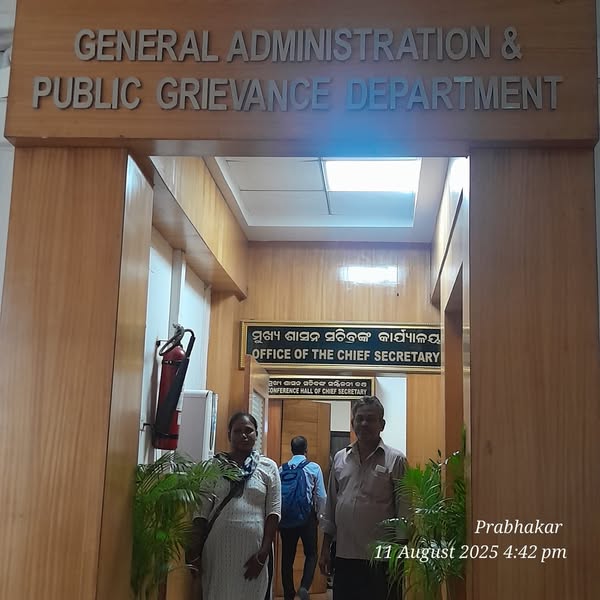
Advocacy Meeting with Chief Secretary and Revenue Secretary, Government of Odisha.
Advocacy Meeting with Chief Secretary and Revenue Secretary, Government of Odisha.
APAL’s State Committee in Odisha, along with Mr. Prabhakar Sahoo, Board Member of APAL, visited and met on 11th August 2025 with the Chief Secretary of Odisha and the Revenue Secretary. The discussion focused on land rights, housing, livelihood, and healthcare issues concerning the leprosy-affected community.
A 200-page memorandum detailing these concerns and recommendations was presented during the meeting by Prabhakar Sahoo and Jayant Pradhan.
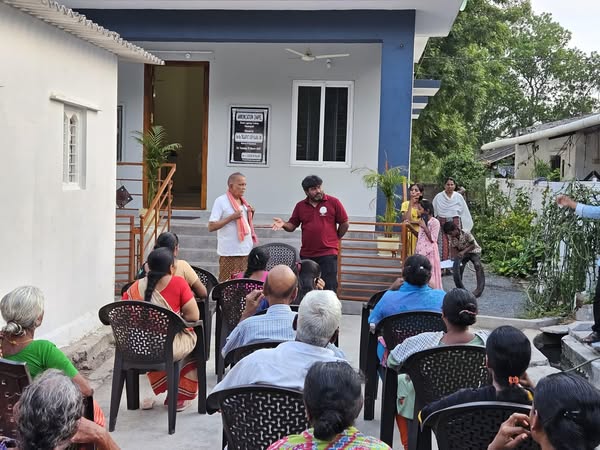
APAL Advocacy Intervention at Jesus Grace Leprosy Colony, Gannavaram, Andhra Pradesh.
APAL Advocacy Intervention at Jesus Grace Leprosy Colony, Gannavaram, Andhra Pradesh.
As part of its ongoing commitment to advocating for the rights and welfare of persons affected by leprosy, APAL recently intervened in response to the severe challenges faced by the residents of Jesus Grace Leprosy Colony in Gannavaram.
Upon invitation, an APAL representative Mr. Prakash Done Treaurer of APAL, visited the colony and was made aware of several critical and complex issues brought forth by the residents. These included:
1. Land disputes and insecure tenure
2. Lack of official colony registration
3. Non-issuance of UDID cards to persons with disabilities
4. Suspension of ration benefits due to the absence of government-recognised identity documents
5. Inadequate facilities for ulcer dressing and basic medical care
One of the most urgent concerns was the absence of proper medical facilities for ulcer treatment, which poses serious health risks for residents. The APAL representative assured the community that these concerns would be strongly taken up with Sasakawa Health Foundation (SHF) and relevant authorities.
Recognizing that land tenure is a foundational issue, APAL reaffirmed its responsibility to actively engage with government authorities to seek resolution and ensure long-term security for the residents.
In a distressing recent incident, some residents were attacked by outsiders with knives. The APAL representative personally visited the victims and extended moral and legal support. In collaboration with SHF, and under the leadership of Mr. Narasappa and Mr. Venugopal, RPWD-2016 awareness booklets—originally printed with SHF’s support—were distributed among the youth to promote awareness of their rights.
Furthermore, the representative guided the youth in drafting a formal complaint letter and accompanied them, along with other residents, to the local police station. A direct conversation was held with the Circle Inspector (CI), resulting in the official registration of an FIR.
This intervention underscores APAL’s unwavering commitment to the safety, rights, and dignity of persons affected by leprosy, and reflects the power of community-led advocacy when backed by strategic partnerships and legal frameworks.
The State Committee of APAL in Jharkhand successfully organized a special camp at Navjeevan Ashram in Jamshedpur to support the welfare of individuals affected by leprosy.
On 5th August 2025, The State Committee of APAL in Jharkhand successfully organized a special camp at Navjeevan Ashram in Jamshedpur to support the welfare of individuals affected by leprosy. During the camp, a total of 110 national pension beneficiaries were issued their Life Certificates, an essential document required to continue receiving pension benefits. This important service was provided directly by the Director of Social Security, Jamshedpur, ensuring a smooth and official process for all eligible beneficiaries.
The event was held in the presence of Mr. Zainuddin, State APAL, Coordinator of Jharkhand, who played a key role in facilitating coordination between government authorities and the community. This initiative reflects APAL’s ongoing commitment to ensuring access to government entitlements for persons affected by leprosy and their families. The camp not only provided a critical service but also reinforced the importance of inclusion and dignity for marginalised individuals through direct engagement with state institutions.
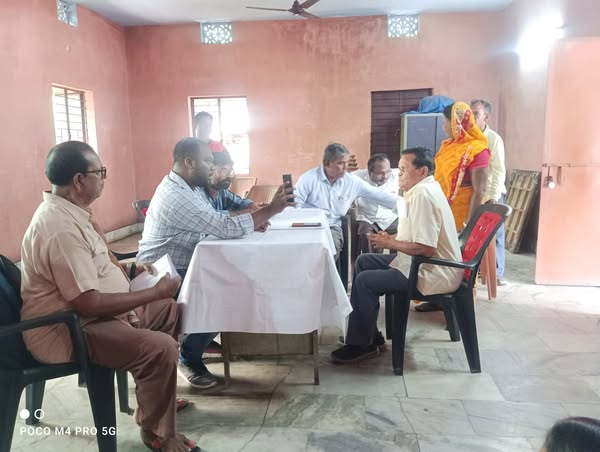
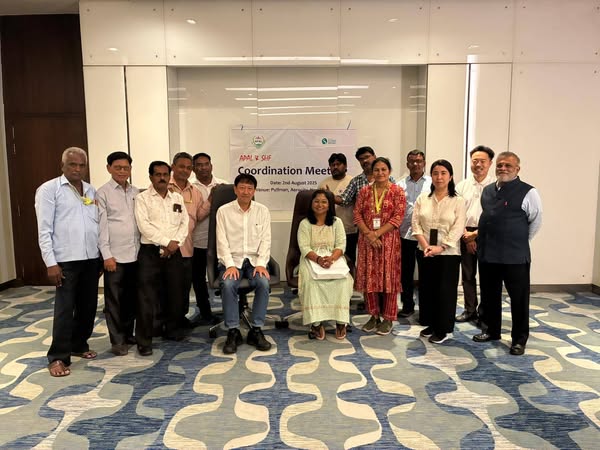
APAL and Sasakawa Health Foundation Coordination Meeting at Hotel Pullman in Delhi
APAL and Sasakawa Health Foundation Coordination Meeting at Hotel Pullman in Delhi on 2nd August 2025
A meaningful coordination meeting was held in Delhi between the Association of People Affected by Leprosy (APAL) and the Sasakawa Health Foundation (SHF). Representatives from both organizations participated actively in the discussions.
The meeting focused on key future plans and strategies aimed at improving services in the leprosy sector. Topics included strengthening youth leadership through the development of youth forums, enhancing rehabilitation efforts for persons affected by leprosy, building strong social alliances, and working towards sustainable, long-term solutions.
The dialogue was productive and filled with a shared commitment to continued collaboration. All participants expressed satisfaction and optimism about the path forward.
Inaugurated Annual book and brouchers of APAL by Prof. Takahiro Nanri and his team.
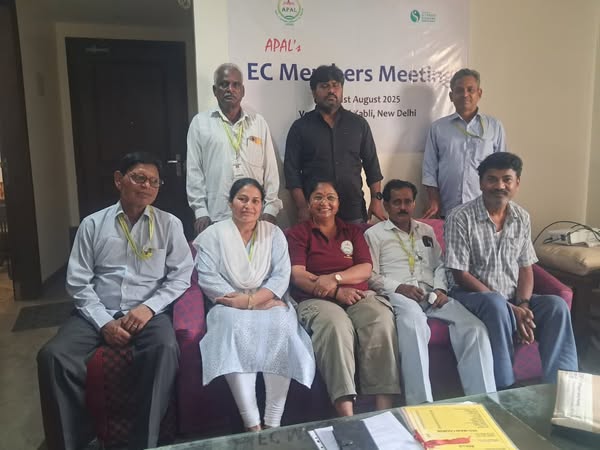
Executive Committee of the Association of People Affected by Leprosy (APAL) held a full-day meeting at Hotel Kabli, Delhi.
On 1st August 2025, the Executive Committee of the Association of People Affected by Leprosy (APAL) held a full-day meeting at Hotel Kabli, Delhi. The meeting began with a warm welcome by Ms. Maya Ranavare, followed by a powerful presentation of APAL’s 3-year achievements in advocacy, leadership development, rehabilitation, and partnerships. Members appreciated the visual presentation and the collective impact of APAL’s work across the country. Updates on participation at the Global Forum in Bali were key highlights, like commitment letters and recommendations to stakeholders.
The committee also discussed plans for the upcoming activities, future strategic priorities, including youth forums and economic empowerment, and the urgent needs of the organisation, such as strengthening state-level infrastructure and staff capacity. The day concluded with a strong sense of unity, purpose, and gratitude, as members reaffirmed their commitment to advocate for the rights and dignity of persons affected by leprosy.