NEWS & EVENTS
“APAL Telangana Initiative for Children’s Education”
“APAL Telangana Initiative for Children’s Education”
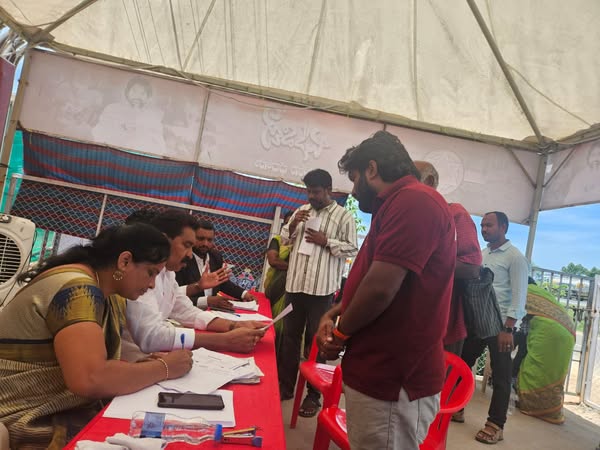
On 16th September 2025, APAL’s State Committee in Telangana, in collaboration with Children’s of Deccan Foundation (Laxmareddypalem), organized a special distribution program at Shanthinagar Leprosy Colony (Peddamberpet) and Santhoshnagar Leprosy Colony (Pasumamula), with the kind support of Sri Samudrikam Narasimha Rao, Chairman & Founder of International Shirdi Sai Bhakta Seva Trust.
120 school bags were distributed to children, bringing smiles and encouragement for their educational journey.
The program was led by APAL State Coordinator, Sri Maniyada Ramesh, along with Children’s of Deccan Foundation Founder, Sri N. Malkanna, in the presence of colony elders.
On this occasion, APAL also requested books and further educational support, to which the Trust Chairman responded positively.
APAL extends heartfelt gratitude to Sri Samudrikam Narasimha Rao for his generous support towards empowering children through education.
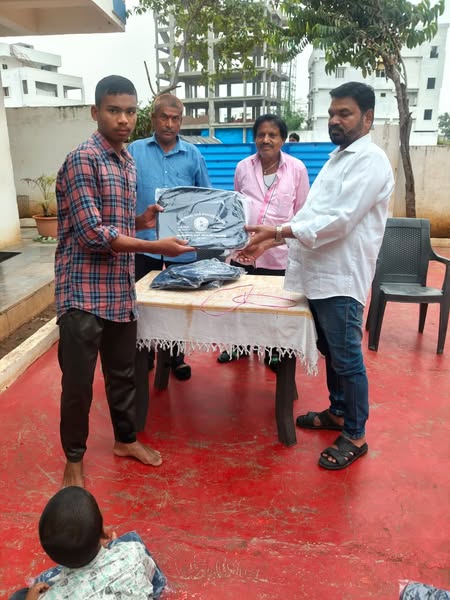
“Advocacy Success of APAL and APAL’s State Committee in Odisha”
“Advocacy Success of APAL and APAL’s State Committee in Odisha”
On 11th August 2025, APAL’s State Committee in Odisha, along with Mr. Prabhakar Sahoo, Board Member of APAL, held an important advocacy meeting with the Chief Secretary of Odisha and the Revenue Secretary.
The discussions focused on the land rights, housing, livelihood, and healthcare issues faced by people affected by leprosy in Odisha. A 200-page memorandum with detailed concerns and recommendations was presented during the meeting by Prabhakar Sahoo and Jayant Pradhan.
As a result of these continued efforts, on 15th September 2025, the Revenue & Disaster Management Department, Government of Odisha, issued an official directive to all District Collectors regarding the grievance petition submitted by APAL’s representatives.
The directive specifically addresses the grant of homestead land to the residents of 86 self-settled leprosy colonies across the State, instructing Collectors to take appropriate action as per law for speedy redressal of these grievances and to report back to the Department.
This is a major step forward in resolving the long-standing land rights issues of persons affected by leprosy in Odisha.
APAL and its State Committee in Odisha reaffirm their commitment to work for justice, dignity, and secure living conditions for our community.
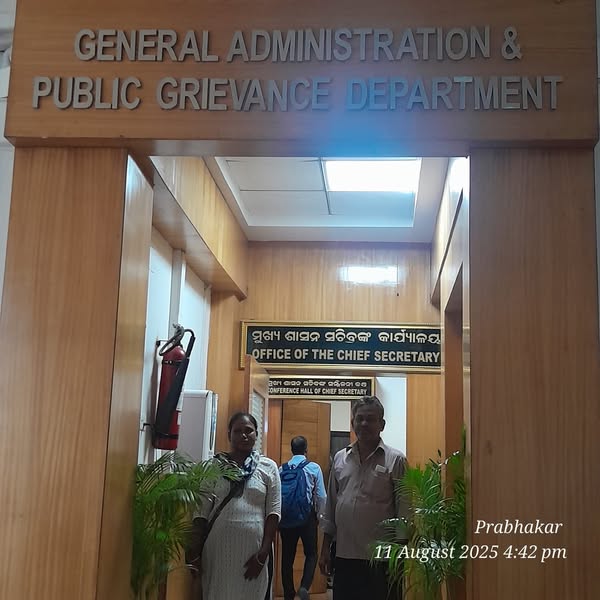
APAL and APAL’s State Committee in Maharashtra (Maharashtra Kusht Pidit Sanghatana) conducted a State Committee Meeting in Trombay Dattanagar Colony, Mumbai.
On 14th September 2025, APAL and APAL’s State Committee in Maharashtra (Maharashtra Kusht Pidit Sanghatana) conducted a State Committee Meeting in Trombay Dattanagar Colony, Mumbai. The meeting brought together leaders and representatives from the leprosy community to discuss all aspects related to the lives of persons affected by leprosy and their families.
The primary focus of the discussion was on the current situation and the challenges faced by the community, as well as identifying long-term strategies and solutions. As a people’s organization—where persons affected by leprosy themselves lead and work for their fellow brothers and sisters—the committee emphasized the vision of collective empowerment and support.
Key issues discussed included:
Land rights and land-related problems
Infrastructure development in colonies
Access to education and healthcare services
Human rights and protection from violations
Social protection schemes
Ending stigma and discrimination related to leprosy The committee reaffirmed its commitment to ensuring dignity, equality, and mainstream inclusion for persons affected by leprosy, with a rights-based approach to overcome these challenges.
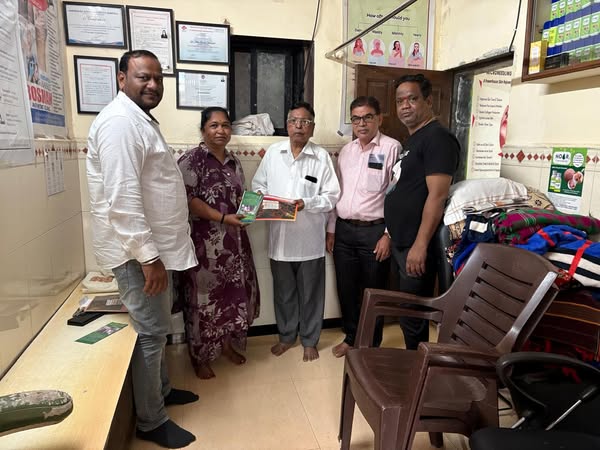
APAL Participated in FCRA Seminar in Delhi.
APAL Participated in FCRA Seminar in Delhi.
On 12th September 2025, APAL had the privilege of participating in a seminar on the Foreign Contribution Regulation Act (FCRA) organised by CPA Services in Delhi, which was designed exclusively for NGOs to gain a better understanding of the latest compliance requirements and best practices.
The seminar featured key experts, including Dr. (CA) Sanjay Patra (FCRA Expert), Sujata Samal (Compliance Expert), and Chandra Bhusan Mehta (Compliance Expert). The sessions provided valuable insights into the recent changes in FCRA rules, practical compliance strategies for NGOs, and guidance on avoiding mistakes that could affect smooth operations.
Through this participation, APAL enhanced its knowledge on FCRA compliance, ensuring that our organization remains aligned with the latest regulations to continue serving persons affected by leprosy with transparency, accountability, and efficiency.
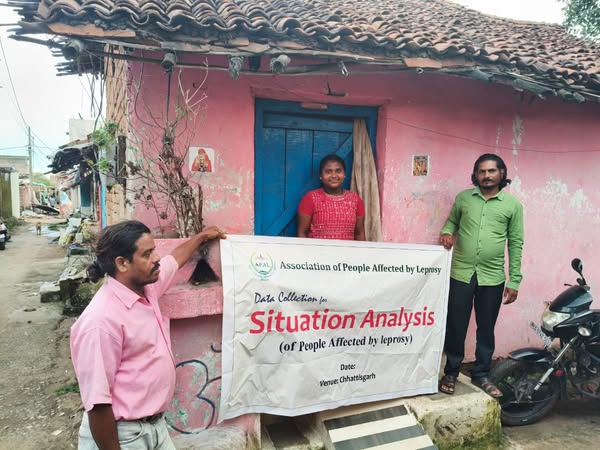
APAL’s State Committee in Chhattisgarh Conducts Interactive Visit to Pampapur Leprosy Colony
APAL’s State Committee in Chhattisgarh Conducts Interactive Visit to Pampapur Leprosy Colony
On 12th September 2025, APAL’s State Committee in Chhattisgarh and Mr. Pavan Kumar conducted an interactive visit to the Pampapur Leprosy Colony. During the visit, the committee members engaged with the residents of the colony, listened to their experiences, and discussed the daily challenges they face. The interaction brought out critical issues such as poor living conditions, lack of infrastructure, and limited access to essential services.
Residents highlighted urgent needs, including better housing, proper roads, reliable water supply, healthcare facilities, and support for livelihood opportunities. The visit also shed light on the urgent requirement for government intervention and infrastructural development to ensure dignity and quality of life for persons affected by leprosy living in the colony.
APAL’s State Committee assured the community that their voices will be taken forward and reinforced the need for strong government support to address these long-pending issues.
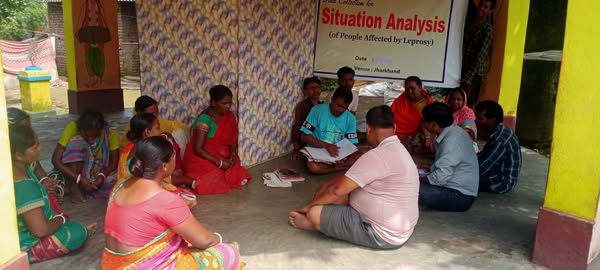
APAL’s interaction visit to the leprosy colonies in Jharkhand
APAL’s interaction visit to the leprosy colonies in Jharkhand
9th September 2025, APAL’s State Committee in Jharkhand, led by Secretary Mr. Madhusudan, recently visited the Palatod Leprosy Colony at Baniyahir Bhaga, Dhanbad, and interacted with the residents. The survey revealed alarming issues—houses built decades ago are now in a dilapidated state, the drainage system is broken, and there is an acute drinking water crisis forcing families to walk long distances and even bring water from Panipat. Many families have also been left out of Pradhan Mantri Awas Yojana (PMAY) benefits, leaving them vulnerable and excluded from essential welfare schemes.
The findings highlight that families affected by leprosy in this colony continue to live under poverty, poor housing, unsafe conditions, and social neglect. Immediate attention is needed from the government and social organisations to provide proper housing, streetlights, safe water, and inclusion in welfare programs. Ensuring these basic rights is not just about development—it is about restoring dignity, equality, and justice to these marginalized families.
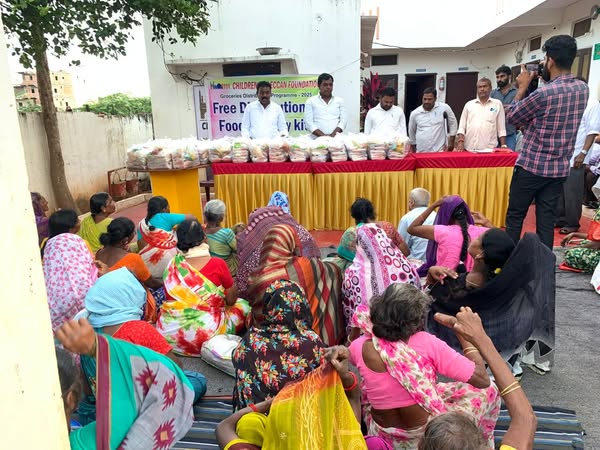
APAL’s State Committee in Telangana – Ration Distribution Program
APAL’s State Committee in Telangana – Ration Distribution Program
On 9th September 2025, at Peddambarpet Lakshmareddy Palem, APAL’s State Committee in Telangana organised a ration distribution program in collaboration with Children of Deccan Foundation.
The program was graced by the Chairman of Children of Deccan Foundation, Sri Nagalla Malkanna garu, and former Councillor Smt. Vidhyavathi Vijender Reddy and Pastor Shantakumar, who jointly distributed ration (Food Grains) to 100 leprosy-affected families.
The event was attended by Maniyada Ramesh APAL’s State Coordinator, Shantinagar Colony President Y. Samuel, Vice President Dominic, and Puja Ramesh.
On this occasion, Mr. Malkanna garu and Smt. Vidhyavathi Vijender Reddy garu felicitated Pragati Vidyamandir High School Principal Mr. Mr. Anjaneyulu , and the teachers with shawls, extending their respect and best wishes for their dedicated service in education.
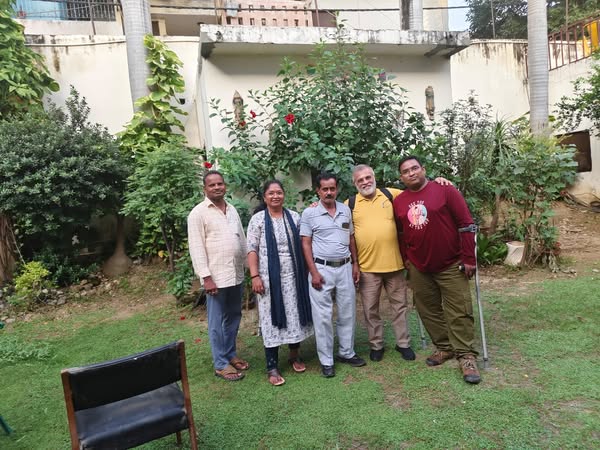
APAL revisited the Gannavaram leprosy colony in Andhra Pradesh
APAL revisited the Gannavaram leprosy colony in Andhra Pradesh
On 2nd September 2025, APAL State Committee in Andhra Pradesh, along with Mr. Prakash Doni, visited Gannarvaram Colony once again.
During the visit, they interacted with residents and addressed concerns raised by people affected by leprosy and the broader community. After listening to both sides, the Committee encouraged open dialogue to foster clarity and mutual respect.
Through this meaningful interaction, APAL worked towards resolving the issues and creating a sense of harmony in the colony. The Committee also suggested continuing meetings to ensure long-term understanding and peaceful coexistence.
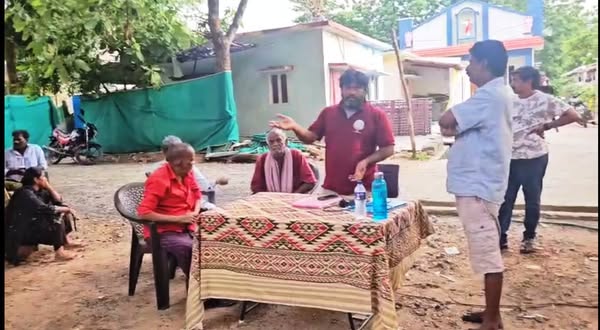
APAL visited the leprosy colonies in Chhattisgarh
APAL visited the leprosy colonies in Chhattisgarh
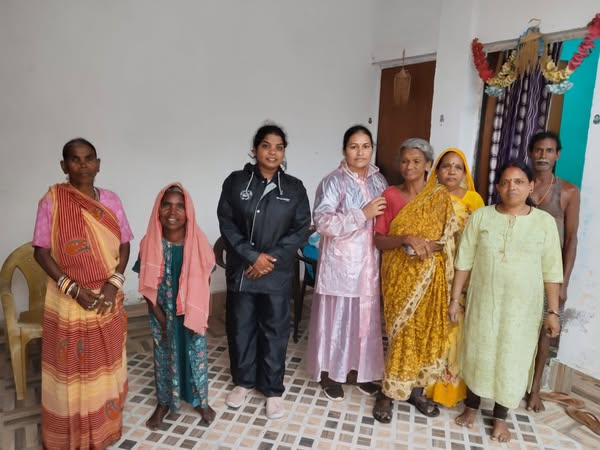
On 2nd September 2025, APAL’s State Committee in Chhattisgarh, along with Ms. Keroline Bhengra (EC Member, APAL), visited Mudapara Kusth Ashram and Moti Sagar Kusth Ashram in Korba.
They interacted with people affected by leprosy and their families, highlighting the importance of education support and livelihood opportunities for children growing up in the shadow of leprosy.
Some children in need of support were identified, and their proposals were collected and referred to concerned NGOs for assistance. Together, we can ensure dignity, opportunity, and a brighter future.
APAL Andhra Pradesh State Committee Advocacy Update
APAL Andhra Pradesh State Committee Advocacy Update
The APAL State Committee in Andhra Pradesh has taken a strong step to advocate for the rights of persons affected by leprosy. On 1st September 2025, nearly 1,000 persons affected by leprosy had their disability pensions suspended by the Government, causing severe difficulties for their daily livelihood.
In response, APAL’s State Committee raised the issue with the Deputy Chief Minister of Andhra Pradesh, who responded positively, gave assurance to resolve the problem, and also discussed long-term solutions to safeguard the pensions of persons affected by leprosy.
This important advocacy activity was made possible through the efforts and contributions of Mr. Prakash Done, Mr. Sayulu, and Mr. Ramakrishna Reddy from the State Committee.
APAL remains committed to ensuring that the dignity, rights, and social security of persons affected by leprosy are protected.