NEWS & EVENTS
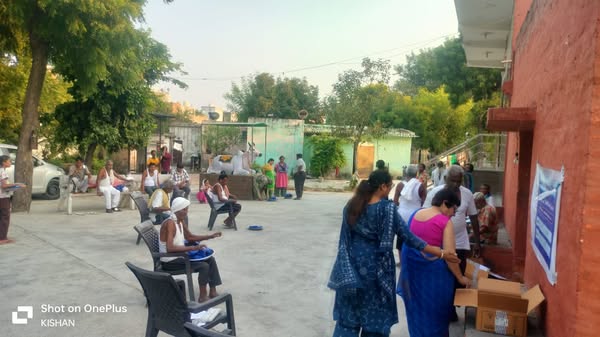
In collaboration with the Schieffelin Institute of Health – Research & Leprosy Centre, Karigiri, the APAL’s State Committee in Andhra Pradesh orchestrated a Health Screening Camp
On 3rd October 2024, In collaboration with the Schieffelin Institute of Health – Research & Leprosy Centre, Karigiri, the APAL’s State Committee in Andhra Pradesh orchestrated a Health Screening Camp at the Ananth Sayanam, Jyothi, and Anand Leprosy Colonies in Tirupati, Andhra Pradesh. The camp aimed to deliver vital health services to individuals affected by leprosy, with a focus on ulcer care, eye care, and the provision of aids and appliances. Moreover, essential medications were distributed to enhance the residents’ quality of life. A significant outcome of the camp was the identification of a pressing need for a Reconstructive Surgeon (RCS) to manage complications arising from leprosy, as three new cases requiring specialized reconstructive surgery were identified. These individuals also required MCR (Microcellular Rubber) footwear and various aids to facilitate their daily lives. The primary objective of the camp was to provide comprehensive healthcare, ensuring that those affected by leprosy receive the necessary support to improve their overall well-being.
APAL expresses sincere gratitude to Dr. Jerry and the entire team from the Schieffelin Institute for their exceptional services during the camp. Their dedication and medical expertise significantly alleviated the suffering of those impacted by leprosy, particularly in the Leprosy Colonies, where their compassionate care has brought renewed hope to the residents. APAL also acknowledges and deeply appreciates the substantial contributions of Mr. Sayilu, Mr. Prakash, and Mr. Danunjay Naidu from the APAL State Committee. Their relentless efforts in organizing and coordinating the camp were pivotal to its success, ensuring that the affected individuals received the care and support they needed. Their commitment to the cause of leprosy care and rehabilitation has had a profound impact on the community, fostering a sense of hope and empowerment among those affected by the disease.
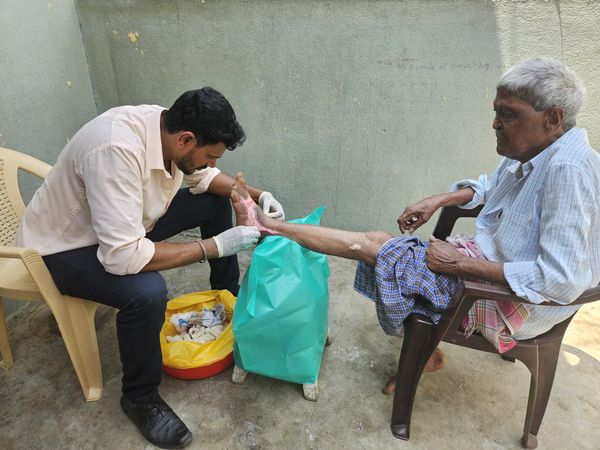
State Committee in Telangana, in partnership with the LEPRA Society, hosted a significant Disability Prevention and Medical Rehabilitation (DPMR) Camp
On 3rd October 2024, On the occasion of Mahatma Gandhi Jayanthi, the APAL’s (Association of People Affected by Leprosy) State Committee in Telangana, in partnership with the LEPRA Society, hosted a significant Disability Prevention and Medical Rehabilitation (DPMR) Camp. This event took place at Shanthi Nagar Colony in Rangareddy District, demonstrating a strong commitment to social welfare and community health. The primary objective of the camp was to address the medical requirements of individuals affected by leprosy, providing a platform for disability prevention and rehabilitation. With the collaboration of local stakeholders, this endeavour exemplified Gandhiji’s vision of equality, health, and inclusion for all, particularly for marginalized communities.
The camp received substantial support from Mr. M. Ramesh, the State Coordinator of APAL in Telangana, whose leadership and dedication played a crucial role in its success. Under his guidance, the DPMR Camp offered essential medical services, rehabilitation support, and preventive care to those in need. Through the partnership with the LEPRA Society, a renowned organization in the leprosy and healthcare field, APAL’s State Committee ensured that individuals affected by leprosy in Shanthi Nagar Colony received appropriate treatment and support. This initiative not only advanced the well-being of the community but also furthered the mission of raising awareness about leprosy and preventing disabilities associated with the disease.
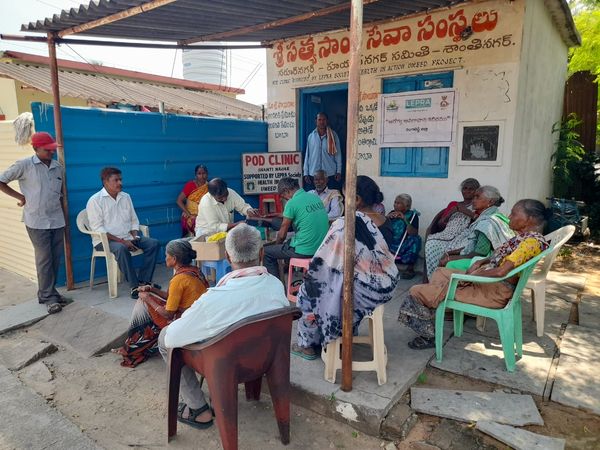
State Committee in Haryana, in partnership with the Leprosy Society and Rotary Club in Rohtak, conducted a compassionate distribution drive in all leprosy colonies throughout the state
On the 2nd of October 2024, in observance of Gandhi Jayanti, the APAL (Association of People Affected by Leprosy) State Committee in Haryana, in partnership with the Leprosy Society and Rotary Club in Rohtak, conducted a compassionate distribution drive in all leprosy colonies throughout the state. This initiative encompassed the distribution of MCR (Micro Cellular Rubber) footwear, essential for individuals affected by leprosy, as well as the provision of food grains to the residents, ensuring their comfort and well-being.
The event underscored the benevolent endeavours of the Leprosy Society and Rotary Club members, whose invaluable support significantly contributed to the success of the initiative. The festivities within the colonies cultivated a sense of inclusivity and concern within the leprosy-affected community, epitomizing the ideals of Mahatma Gandhi, who ardently advocated for equality and dignity for all.
APAL expresses profound gratitude to the Rotary Club members for their altruistic service. Special acknowledgement is also extended to Mr. Govind Swamy and the executive members of APAL for their devoted and proactive contributions to the community. Their relentless efforts persist in uplifting the lives of individuals affected by leprosy, promoting dignity and solidarity within society.
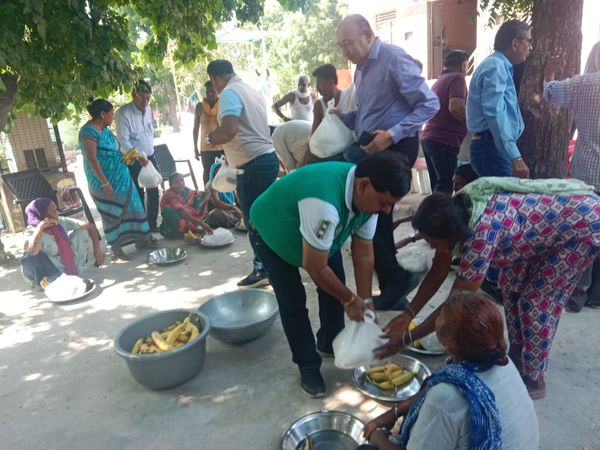
In furtherance of this initiative, Councilor Vijender Reddy distributed essential ration supplies to the residents of Shantinagar Leprosy Colony and Santosh Nagar Colony
On the 1st of October 2024, the Children of Deccan Foundation organized a special event to commemorate the International Day of Older Persons. Malkanna, the Foundation’s Chairman, spearheaded the program to recognize and provide assistance to the elderly population. In furtherance of this initiative, Councilor Vijender Reddy distributed essential ration supplies to the residents of Shantinagar Leprosy Colony and Santosh Nagar Colony, highlighting the Foundation’s dedication to assisting underprivileged communities, particularly those who have been marginalized due to age, health, or social circumstances.
Apart from Malkanna and Councilor Reddy, the event witnessed the participation of other prominent figures. Mr. Ramesh, the State Coordinator of APAL, and Samuel, the leader of the Colony, lent their support to the cause. At the same time, Pooja played a pivotal role in ensuring the seamless execution of the program. Collectively, they emphasized the significance of providing care and resources to the elderly and vulnerable populations, advocating for the dignity and rights of older persons and individuals affected by leprosy, especially those contending with illnesses and residing in challenging conditions.
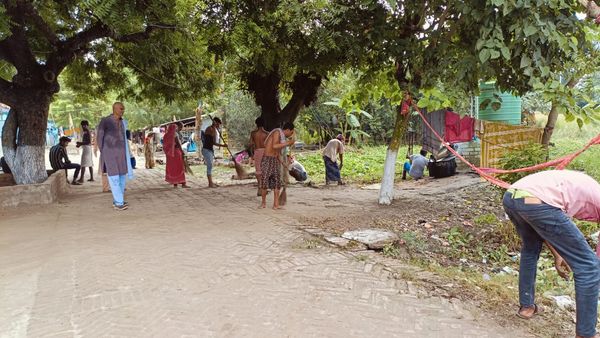
Report on Cleanliness Intervention Led by Mr. Someshwar Dubey at Gandhi Gram Ashram, Mothipur on 1st October 2024.
Introduction Mr. Someshwar Dubey, the State Coordinator of the Association of People Affected by Leprosy (APAL), has taken a significant step in advancing the well-being of the residents of Gandhi Gram Ashram in Mothipur. Recognizing the vital role of a clean and hygienic environment for the health and morale of the community, Mr. Dubey spearheaded a cleanliness intervention aimed at revitalizing the neglected areas of the Ashram. This report outlines the details and impact of the initiative led by Mr. Dubey.
Background The Gandhi Gram Ashram in Mothipur is home to residents affected by leprosy, many of whom face socio-economic challenges. Over time, the condition of the Ashram had deteriorated due to neglect, resulting in the accumulation of litter, debris, and overgrown vegetation. Understanding the unique challenges faced by the residents, Mr. Dubey aimed to empower them through active participation in the cleanup effort, fostering a sense of unity and responsibility.
The Cleanliness Initiative The initiative, organized by Mr. Dubey, involved mobilizing the residents to engage in a comprehensive cleanup of the Ashram. The intervention included:
- Removing debris and accumulated waste from common areas and living spaces.
- Clearing overgrown vegetation to improve accessibility and aesthetics.
- Restoring hygiene across the premises to promote a healthier living environment.
The entire process was community-driven, with Mr. Dubey leading by example and inspiring others to take part. The residents of the Ashram showed remarkable enthusiasm and commitment, contributing their efforts to transform their living conditions.
Community Response and Participation The response from the residents was overwhelmingly positive. Demonstrating a strong sense of solidarity, they joined Mr. Dubey in working diligently to achieve the shared goal of a cleaner and more habitable space. This collaborative effort not only addressed the physical neglect of the Ashram but also boosted the morale of the community, giving them a sense of pride and renewed ownership over their surroundings.
Outcomes and Impact The successful completion of the cleanup initiative resulted in multiple benefits:
- Improved Living Conditions: The Ashram’s environment was significantly cleaner and more sanitary, reducing potential health risks associated with unkempt spaces.
- Empowerment and Unity: The residents experienced a heightened sense of community and empowerment, realizing the power of collective action.
- Inspiration for Other Communities: The initiative served as a model for other leprosy-affected communities, demonstrating that impactful change is possible through collaborative efforts.
Conclusion: Mr. Someshwar Dubey’s leadership in organizing the cleanliness drive at Gandhi Gram Ashram highlighted the importance of community involvement in overcoming local challenges. His approach underscored the value of self-reliance and collective action, showing that even the most marginalized groups can make meaningful progress when united by a common purpose. This intervention not only enhanced the physical conditions of the Ashram but also strengthened the residents’ resolve to maintain a dignified and healthy living environment.
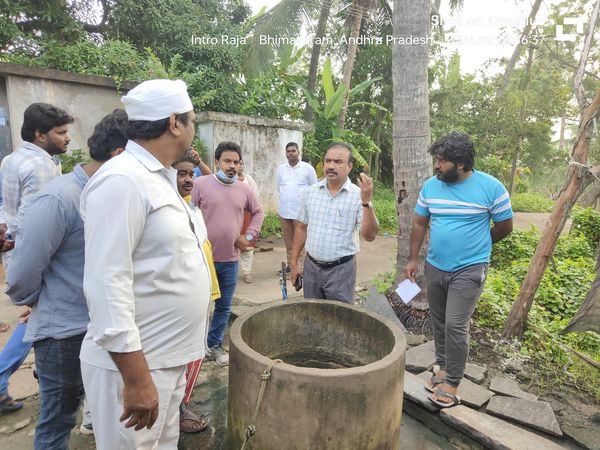
On 1st October, a detailed inspection was carried out by the authorities of the Municipal Corporation of Bhimavaram, Andhra Pradesh
On 1st October, a detailed inspection was carried out by the authorities of the Municipal Corporation of Bhimavaram, Andhra Pradesh, revealing critical issues in local infrastructure that were directly affecting the residents’ quality of life. The inspection focused on several major areas, including drainage, electricity, and road conditions, all of which were found to be in need of urgent attention.
Key Findings and Challenges
- Drainage Obstruction: The drainage systems were significantly obstructed by overgrown vegetation and accumulated debris. This blockage resulted in unsanitary conditions, posing health risks for the residents. The poor drainage infrastructure had led to stagnant water, which can be a breeding ground for various diseases and exacerbate sanitation challenges in the community.
- Unreliable Electricity Supply: The electricity supply in the area was found to be inconsistent, further complicating the daily lives of the residents. This unreliability in electricity service impacted not only residential comfort but also limited the functionality of other critical services that rely on stable power.
- Access to Clean Water: Access to clean and potable water was sporadic, adding to the daily hardships faced by the community. Inadequate water supply is a major concern in any community, as it affects health, sanitation, and overall quality of life.
- Damaged Roads: The roads within the locality were in a state of disrepair, making transportation difficult and posing safety hazards, especially during the rainy season when potholes and uneven surfaces become even more problematic.
Community Engagement and Immediate Response
During the inspection, municipal officials engaged directly with the colony’s residents, enabling them to understand the specific challenges the community was facing. This direct interaction was instrumental in identifying actionable steps to address these pressing issues, which had long been overlooked. The government representatives committed to prioritizing these issues and addressing them promptly, which instilled a renewed sense of hope and reassurance among the residents.
Government Actions and Intervention
Following the inspection, the government took decisive actions to address the identified infrastructure issues. Some of the key steps included:
- Clearing Vegetation and Debris from Drainage Systems: Efforts were promptly initiated to clear the overgrown vegetation and debris from the drainage systems, improving sanitation and reducing health risks associated with stagnant water.
- Planning for Essential Service Enhancements: Plans were laid out for further improvements in essential services, which included stable electricity supply, consistent access to clean water, and the repair of damaged roads. These plans aim to bring long-term relief to the community.
Acknowledgment of Advocacy and Community Impact
The Andhra Pradesh Association of Leprosy-Affected (APAL), alongside community leaders, expressed their gratitude for the timely intervention by the government. Mr. Prakash and the APAL State Committee of Andhra Pradesh received special commendation for their persistent advocacy efforts, which were crucial in ensuring that the voices of the leprosy-affected community were heard and addressed.
Conclusion
The collaborative efforts between APAL, colony leaders, and the government mark a meaningful step toward improving living conditions for a historically marginalized community. The interventions not only addressed immediate infrastructure issues but also highlighted the power of community advocacy in driving positive change. This initiative represents a significant accomplishment in enhancing the well-being of the residents, setting a foundation for continued support and development in the area.
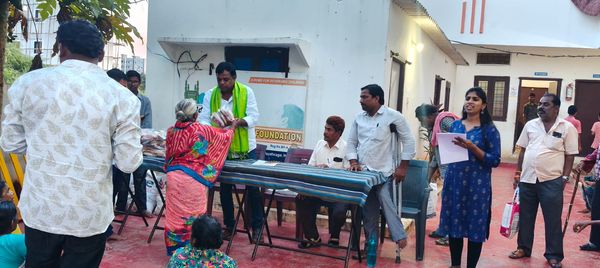
APAL’s Telangana State Committee, in collaboration with the Children of Deccan Foundation, organized a Grocery Distribution
On 26th September 2025 (Friday), APAL’s Telangana State Committee, in collaboration with the Children of Deccan Foundation, organized a Grocery Distribution Programme at Shanthinagar Leprosy Colony, Nalgonda. Founder Mr. Nagalla Malkanna generously came forward to support 100 families affected by leprosy with essential grocery kits.
The programme was held in the presence of APAL Coordinator Mr. Maniyada Ramesh. The distribution was carried out by Sister Ambika, in charge of the Leprosy Health Center, making the event more meaningful and impactful for the community.
Colony elders including Janayya, Swaroopa, Padma, Venkateshwarlu, Rajireddy, and Bhadramma actively participated in the programme and expressed their heartfelt gratitude to Mr. Malkanna for his kind support and commitment towards the well-being of people affected by leprosy.
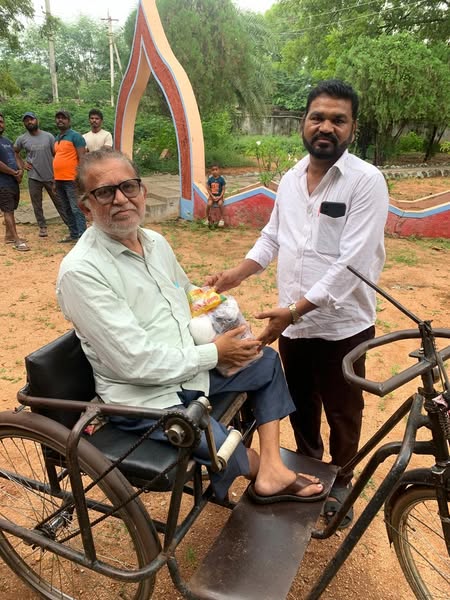
APAL’s State Committee in Telangana, in collaboration with Sathya Sai Samithi, distributed food grains, clothes, and fruits
On 21st September 2025, APAL’s State Committee in Telangana, in collaboration with Sathya Sai Samithi, distributed food grains, clothes, and fruits to over 250 people affected by leprosy and their families at the Santhosh Nagar and Santhi Nagar Leprosy Colonies in Peddambarpet, Hyderabad.
APAL expresses heartfelt gratitude to the Sathya Sai Samithi for their valuable support to the most needy people affected by leprosy. Special appreciation goes to Maniyada Ramesh, State Coordinator of APAL, for his active contribution in making this program a success.
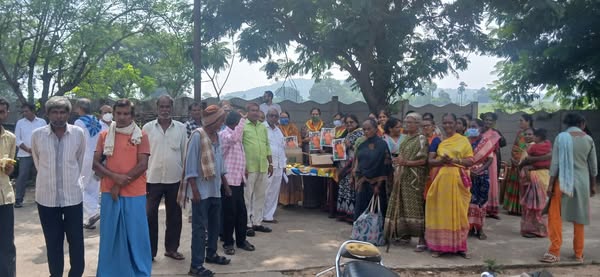
APAL’s State Committee in Jharkhand organized health camps in leprosy ashrams under the campaign “Healthy Women – Empowered Families”, held from 17th September to 2nd October 2025
APAL’s State Committee in Jharkhand organized health camps in leprosy ashrams under the campaign “Healthy Women – Empowered Families”, held from 17th September to 2nd October 2025, as per the instructions of Civil Surgeon Dr. Sahir Pal.
District Leprosy Consultant Dr. Rajeev informed that during today’s camp, a total of 131 patients were examined free of cost, including 47 men and 84 women.
The campaign was supported by ANM Mukti Rani and Anandita Arya from Jharkhand Step-Up Trust, Jawahar Ram Paswan, Vice President of APAL, and Nimai Mandal from Hind Ashram.
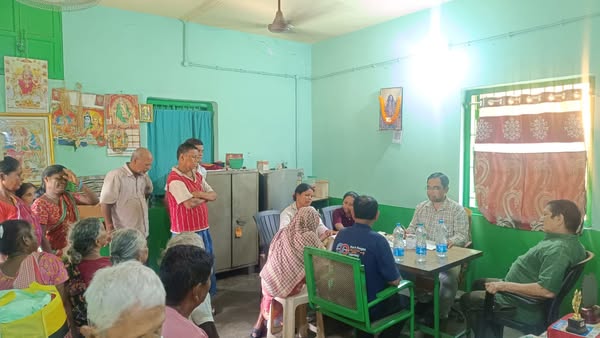
APAL’s State Committee in Haryana organized a health camp at the Gandhi Kusht Ashram in Rohtak (B.G.I).
On 17 September 2025, APAL’s State Committee in Haryana organized a health camp at the Gandhi Kusht Ashram in Rohtak (B.G.I).
The camp was led by Dr. Anila, Dr. Krishan, and Dr. Vidya. During the program, 26 people affected by leprosy received medical check-ups and medicines.
The doctors and medical officers were warmly welcomed by Ashram President Mr. Ashok and Secretary Mr. Chaturbhuj. APAL Board Member Mr. P. Govindswami was also present and extended thanks to the medical team on behalf of APAL.