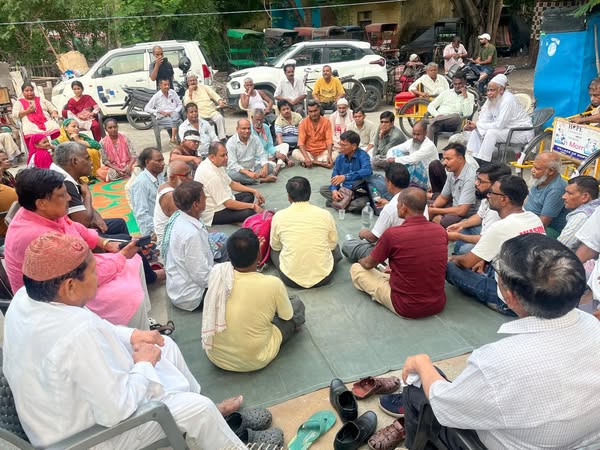
Joint Site Verification Report: APAL & State Committee Visit – Delhi
As part of its continued commitment to the dignity and rights of persons affected by leprosy, the Association of People Affected by Leprosy (APAL), along with the APAL State Committee, conducted a joint site verification visit to two colonies in Delhi: Lok Mata Kushtha Ashram in Anand Parvat and Shalimar Leprosy Colony. This visit, led by APAL Vice President Shri Jawaharlal Ram Paswan, APAL Jharkhand State Leader Shri Madhusudan Tiwari, and local guide Shri Arjun Ram, aimed to assess the living conditions, infrastructural gaps, and urgent needs of the residents.
1. Lok Mata Kushtha Ashram, Anand Parvat
Inspection Date: 16 June 2025
Total Families: 43
Land Ownership: Delhi Development Authority (DDA)
Colony Pradhan: Mrs. Jaya Reddy
The inspection revealed critical issues affecting the well-being of residents. The colony was found to be submerged in rainwater, with water stagnating inside homes and toilets—creating serious sanitation and health risks. Drinking water was found to be impure, increasing the vulnerability of already at-risk residents. Moreover, 10 families have been unjustly removed from the official house list, causing deep distress and exclusion from housing benefits.
This flooding and health hazard occur repeatedly every year, yet the colony remains neglected. APAL recommends a permanent drainage system, reinstatement of the 10 excluded families, elevation of water pipelines, and inclusion of the colony in the PMAY housing scheme to ensure long-term relief.
2. Shalimar Kushtha Colony
Inspection Date: 19 June 2025
Total Families: 10 (including 4 leprosy-affected families)
Land Ownership: DDA
The second visit to Shalimar Leprosy Colony exposed an even more alarming situation. The colony comprises kutcha houses with no drainage, no toilets, and a critical shortage of water, especially during summer. The families are completely deprived of all government schemes, and social tension prevails due to the cohabitation of leprosy-affected and non-affected families under the same roof.
The colony head expressed helplessness:
“We are facing many difficulties here, but no solution is being found.”
Given the small size of the colony and the lack of facilities, APAL strongly recommends relocating these 10 families to a nearby, better-equipped colony. This would ensure access to basic services and government schemes. A rehabilitation plan should be developed by DDA/NDMC, with APAL involved in monitoring the relocation and dialogue process to protect the rights and dignity of the residents.
Conclusion:
The conditions in both colonies reflect a serious denial of basic human rights, social dignity, and essential public services for persons affected by leprosy. These long-standing problems have remained unresolved for years. APAL India strongly urges the relevant departments, particularly DDA and NDMC, to take immediate and coordinated action to address the needsof these vulnerable communities.