“Karnataka Leprosy Field Assessment and Advocacy Visits”
To evaluate living conditions, healthcare access, and welfare gaps in leprosy colonies and advocate for sustainable improvements.
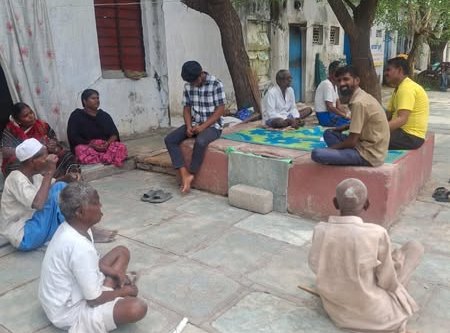
On 13th May 2025, The Association of People Affected by Leprosy (APAL) continues its active engagement across states to address the pressing concerns of persons affected by leprosy. In Karnataka, APAL’s State Committee has been working closely with local communities to advocate for better living conditions, healthcare services, and social inclusion. As part of these ongoing efforts, Mr. Sriram, the State Coordinator for Karnataka, recently conducted field visits to several leprosy colonies in the northern region of the state, including Raichur Leprosy Colony, Yadagiri Leprosy Colony, and Bidar Leprosy Colony.
During these visits, Mr. Sriram engaged with residents and community leaders to understand their current living conditions and challenges. A key focus of the visit was to assess the status of house construction projects, which remain incomplete or delayed in many colonies, leaving families in vulnerable and unsafe housing. He also gathered detailed information regarding the availability and accessibility of healthcare services, noting gaps in treatment, rehabilitation, and the lack of consistent medical support for chronic conditions related to leprosy.
The visits further highlighted a range of other issues faced by residents, including lack of livelihood opportunities, poor sanitation infrastructure, and limited access to government welfare schemes. Mr. Sriram emphasized the urgent need for coordinated action involving local authorities, health departments, and welfare agencies to implement sustainable solutions. The APAL State Committee in Karnataka is now preparing a detailed report based on these findings to advocate for targeted interventions and policy support, aiming to improve the quality of life for persons affected by leprosy in these underserved colonies.