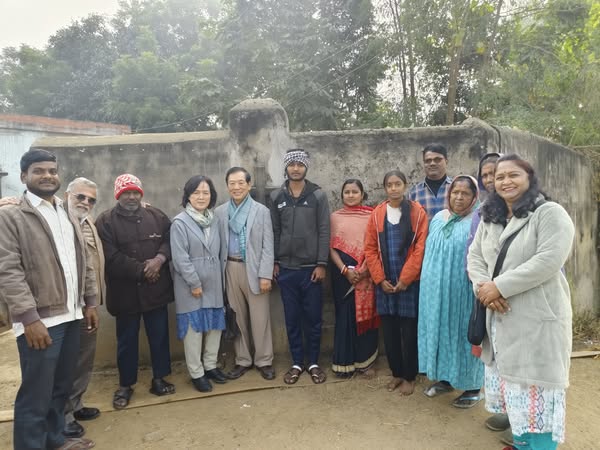
On 3rd January 2025, The Association of People Affected by Leprosy (APAL), under the leadership of President Maya Ranavare and Joint Secretary Ramavarai Sah, remains steadfast in its mission to enhance the lives of individuals affected by leprosy. In collaboration with its State Committee in Bihar, APAL organized a significant visit to the Missionary Hospital and the Prem Nagar Gaunpura colony in Phulkari, Patna. This initiative underscores APAL’s ongoing commitment to addressing the pressing issues faced by communities impacted by leprosy while fostering meaningful dialogue with relevant stakeholders.
During this visit, APAL had the honor of hosting Mr. Keiji Nakajima, Advisor to the Sasakawa Health Foundation; Mrs. Michiko Nakajima; and Dr. Ranganadh Rao, Programme Advisor on Medical Issues. Their participation highlighted the importance of collaborative efforts in addressing the challenges confronting leprosy-affected individuals. The visit facilitated interactions with residents of the colony, providing a platform to discuss critical issues, including the necessity for improved access roads, housing renovations, and nutritional challenges. These discussions reinforced the urgent need to address infrastructure deficiencies and enhance the overall quality of life within the community.
Furthermore, APAL engaged in constructive dialogues with media representatives, whose role is essential in raising awareness about the realities faced by individuals living with leprosy and the initiatives aimed at supporting these communities. By bringing these issues to the forefront, APAL seeks to secure public and governmental support for the implementation of sustainable solutions. This visit exemplified APAL’s advocacy for holistic and inclusive development, striving to ensure dignity and improved opportunities for those affected by leprosy.