NEWS & EVENTS
Member of Parliament Mr. Naresh Maske Saheb visited the Mahatma Gandhi Leprosy Colony in Mulund, Mumbai, upon the invitation of APAL
On 6th November 2025, Member of Parliament Mr. Naresh Maske Saheb visited the Mahatma Gandhi Leprosy Colony in Mulund, Mumbai, upon the invitation of APAL (Association of People Affected by Leprosy). His visit brought great encouragement and hope to the residents of the colony, as it reflected his genuine concern for the welfare and dignity of persons affected by leprosy.
During his visit, Mr. Maske interacted closely with the colony residents, listening to their challenges, needs, and aspirations. He also held a detailed discussion with APAL representatives about the organization’s ongoing efforts to improve the living conditions, healthcare, and livelihood opportunities for persons affected by leprosy and their families. The conversation focused on how government schemes and welfare programs could be made more accessible and effectively implemented for those residing in leprosy colonies.
Mr. Maske assured his full support in raising the issues of persons affected by leprosy at appropriate government platforms and promised to work toward ensuring their social and economic inclusion. His visit was a significant moment of solidarity and recognition, reinforcing APAL’s mission to advocate for the rights and dignity of every individual affected by leprosy across India.
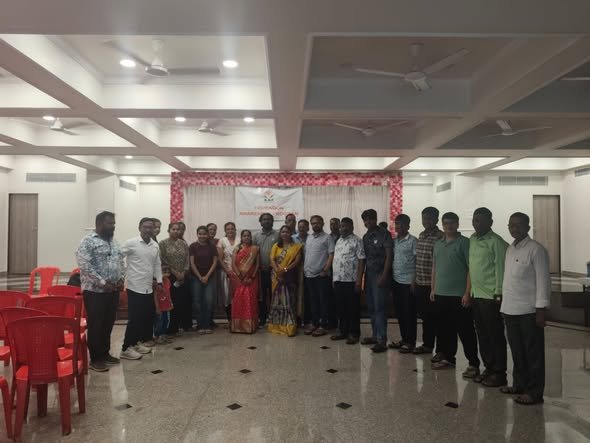
The Association of People Affected by Leprosy (APAL) and its State Committee, together with the Maharashtra Kusht Sanghatana, held a joint meeting and submitted a memorandum to the Tahsildar Office, Vasai
The Association of People Affected by Leprosy (APAL) and its State Committee, together with the Maharashtra Kusht Sanghatana, held a joint meeting and submitted a memorandum to the Tahsildar Office, Vasai. The purpose of the meeting was to bring attention to the issues faced by people affected by leprosy living in Vasai leprosy colonies, particularly those related to housing, welfare schemes, and access to government benefits. The representatives discussed the difficulties faced by the residents and urged the authorities to take necessary action to resolve their long-pending problems.
This joint effort reflects the commitment of APAL and the Maharashtra Kusht Sanghatana to continue advocating for the rights and dignity of people affected by leprosy. The meeting also served as an opportunity to strengthen coordination with local government officials to ensure that welfare schemes and rehabilitation programs reach the deserving beneficiaries. Both organizations expressed hope that the authorities would take positive steps toward improving the living conditions and social inclusion of the leprosy-affected community in Vasai.
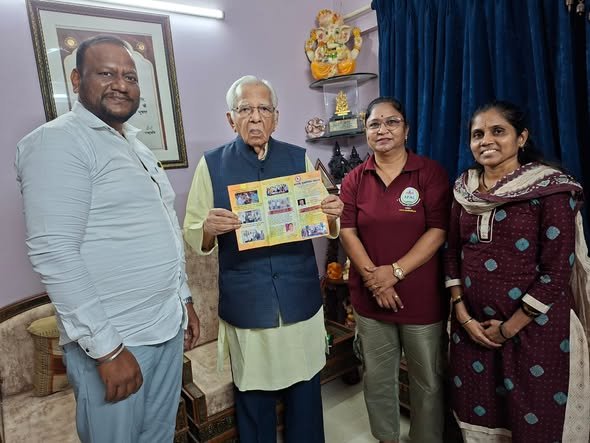
APAL, along with Maharashtra Kusht Sanghatana, met Hon’ble Shri Ram Naik ji
On 4th November 2025, APAL, along with Maharashtra Kusht Sanghatana, met Hon’ble Shri Ram Naik ji today to discuss ongoing initiatives and plans for the welfare of persons affected by leprosy.
During the meeting, APAL representatives had the honour of interacting with Shri Ram Naik ji, who graciously shared his valuable guidance on strengthening our efforts at both the state and national levels. APAL also had a meaningful personal conversation with Shri Ram Naik ji, during which he shared his rich experiences and thoughtful insights. His words of encouragement will greatly inspire and guide us as we continue our mission to improve the lives and dignity of persons affected by leprosy across India
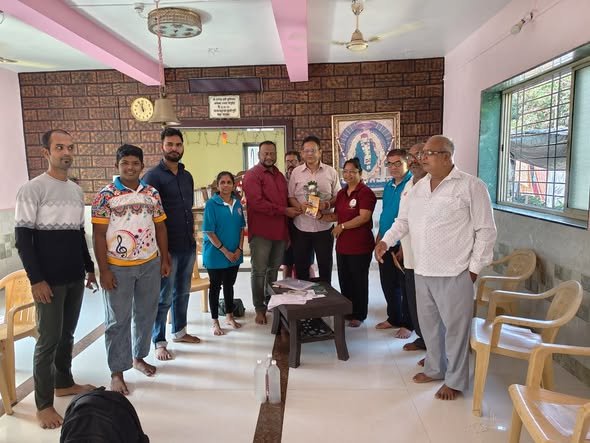
The Association of People Affected by Leprosy (APAL) and its State Committee in Maharashtra, along with the Maharashtra Kusht Sanghatana, jointly visited Sanjay Nagar Leprosy Colony On 4th November 2025, The
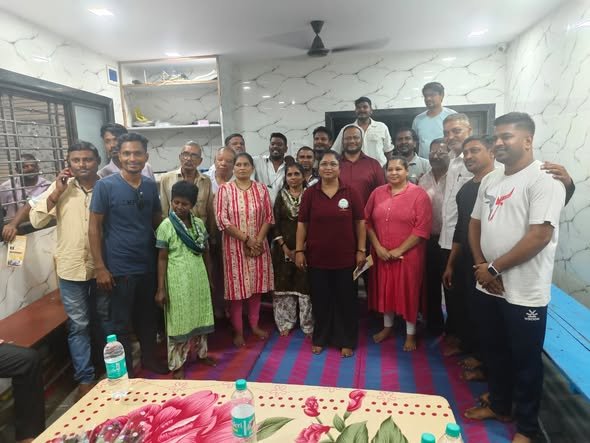
On 4th November 2025, the Association of People Affected by Leprosy (APAL) and its State Committee in Maharashtra, along with the Maharashtra Kusht Sanghatana, jointly visited Sanjay Nagar Leprosy Colony to interact with the residents and understand their ongoing needs and challenges. The visit aimed to strengthen coordination among the organizations working for the welfare of persons affected by leprosy and to discuss collective strategies for their empowerment. During the visit, the team met with the community members to review the current status of the colony and identify areas that need immediate attention and support.
A key part of the discussion focused on the registration of the local society to ensure proper recognition and access to government schemes and welfare benefits. The team also emphasized the importance of education for the children of the leprosy-affected families, highlighting it as a powerful tool to break the cycle of stigma and poverty. Plans were discussed to explore educational support programs and linkages with mainstream schools to provide equal learning opportunities. The visit reflected APAL’s ongoing commitment to fostering dignity, inclusion, and sustainable development for all persons affected by leprosy in Maharashtra.
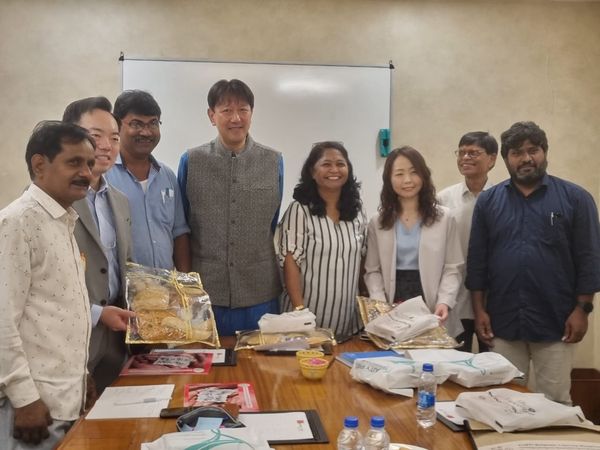
The APAL Executive Committee and the Sasakawa Health Foundation convened a productive meeting in Delhi on October 31, 2024
The APAL Executive Committee and the Sasakawa Health Foundation convened a productive meeting in Delhi on October 31, 2024, to discuss future activities and initiatives aimed at the socio-economic empowerment and welfare of persons affected by leprosy and their families. The session focused on strengthening ongoing support for the Association of People Affected by Leprosy (APAL) and evaluating future plans to uplift leprosy-affected communities.
Both organizations expressed their satisfaction with the coordination and structure of the meeting. They commended APAL for its dedicated service to the leprosy community, noting the significant impact these efforts have had on the quality of life for affected individuals. APAL authorities, in turn, provided a comprehensive overview of the current situation within leprosy colonies, shedding light on the unique challenges faced by those affected by the disease and their families.
In conclusion, the meeting highlighted a shared commitment to advancing the welfare of leprosy-affected persons through collaborative planning and continued support.
On the auspicious occasion of Deepawali, the APAL State Committee in Madhya Pradesh, in collaboration with the NGO Khushiyon Ke Pal, undertook the distribution of ration kits to 62 families
On 29th October 2024, On the auspicious occasion of Deepawali, the APAL State Committee in Madhya Pradesh, in collaboration with the NGO Khushiyon Ke Pal, undertook the distribution of ration kits to 62 families affected by leprosy. The beneficiaries were associated with the Sant Dnyaneshwar Seva Samiti and Sai Ram Kusht Seva Samiti, both situated in Indore, Madhya Pradesh. This initiative was designed to foster joy and ensure that these marginalized families could celebrate the Festival of Lights with dignity and happiness.
The event was attended by colony residents and various dignitaries, including Sarang, the Secretary of APAL, as well as Raju Rathore and Gopal Shinde from the Sahayog Kusht Nivaran Sangh. Their participation significantly enhanced the occasion, as they not only distributed the kits but also engaged with the residents, thereby promoting a sense of community and inclusion. Such initiatives reflect the unwavering commitment of these organizations to uplift underprivileged sectors of society, ensuring that no individual is overlooked during the festive season.
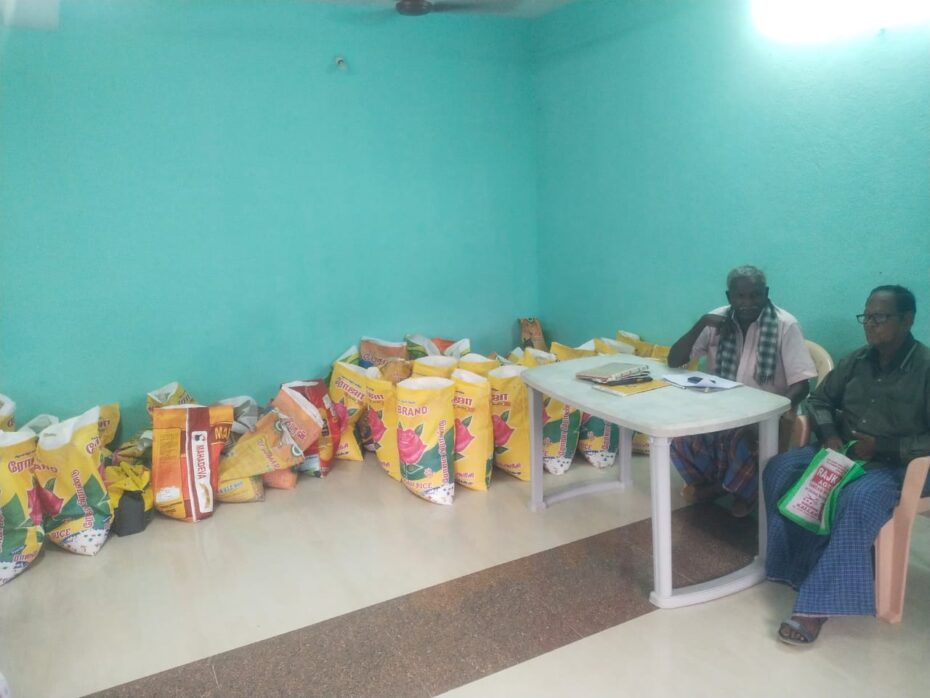
Recently, the Tamil Nadu state committee, in partnership with generous contributors, distributed essential food grains to 55 families residing in the Mother Teresa Leprosy Colony
On 29th October 2024, The Association of People Affected by Leprosy (APAL), in collaboration with local donors, has taken meaningful steps to support families impacted by leprosy. Recently, the Tamil Nadu state committee, in partnership with generous contributors, distributed essential food grains to 55 families residing in the Mother Teresa Leprosy Colony in Vadathorasalur, Tamil Nadu. This initiative reflects APAL’s ongoing commitment to improving the lives of individuals affected by leprosy, ensuring they receive vital support during challenging times.
APAL extends heartfelt gratitude to the donors for their invaluable contributions, which have made a significant difference in the lives of these families. The organization also offers special thanks to Mr. A. Rajendiran, the State Coordinator of APAL, for his dedicated efforts in mobilizing and coordinating this initiative. His active involvement and commitment to the leprosy community have been instrumental in the success of this program. Through such collaborative efforts, APAL continues to foster hope, dignity, and empowerment among individuals affected by leprosy.
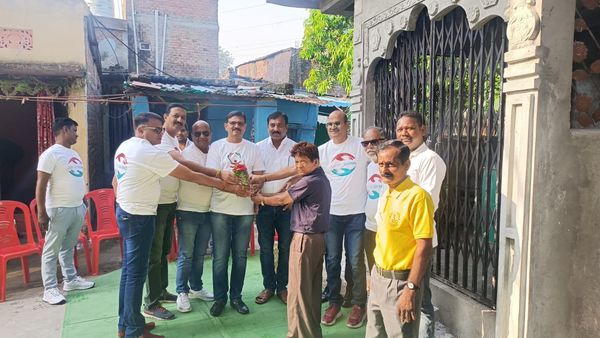
The State Committee of APAL (Association of People Affected by Leprosy) in Bihar, in collaboration with the Government, successfully organized a UDID (Unique Disability ID Card) camp
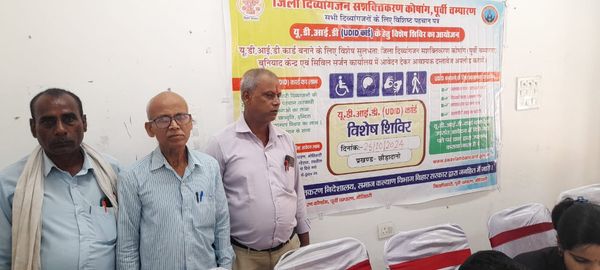
The State Committee of APAL (Association of People Affected by Leprosy) in Bihar, in collaboration with the Government, successfully organized a UDID (Unique Disability ID Card) camp on 25th October 2024 at Chauradano Block, East Champaran, Bihar. This initiative aimed to streamline the process of obtaining UDID cards, which serve as a vital tool for persons with disabilities to access various government benefits, schemes, and entitlements. The camp witnessed enthusiastic participation, ensuring that individuals affected by leprosy were able to apply for their UDID cards with ease.
APAL extends heartfelt gratitude to the Government for its valuable services and cooperation throughout the event. The smooth execution of the camp was made possible by the dedicated efforts of the Bihar State Committee of APAL. A special note of appreciation goes to Mr. Brij Kishore for his unwavering support and commitment to the welfare of persons affected by leprosy. His active involvement was instrumental in ensuring that the camp reached those in need, furthering APAL’s mission of empowering marginalized communities through improved access to essential services.
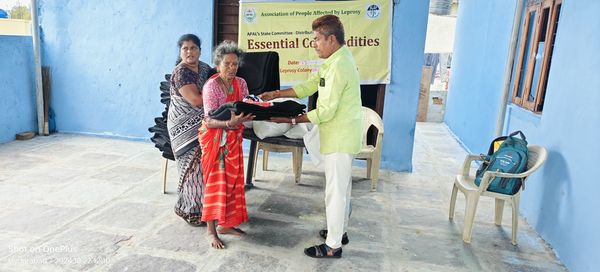
Under the leadership of State Coordinator Maniyada Ramesh and committee member K. Anusuya, the initiative aimed to provide essential support and care to those in need. The team distributed blankets to 25 families
On October 22, 2024, APAL, in collaboration with its State Committee in Telangana (SLAP_TS), made a significant impact in the lives of leprosy-affected families in Balaji Nagar Mother Teresa Leprosy Colony, Hyderabad. Under the leadership of State Coordinator Maniyada Ramesh and committee member K. Anusuya, the initiative aimed to provide essential support and care to those in need. The team distributed blankets to 25 families, ensuring warmth and comfort during the cooler months, which is particularly crucial for vulnerable populations.
In addition to the blankets, the team organized a heartfelt lunch for the families, serving delicious biriyani that not only nourished but also uplifted spirits. This gesture of kindness was met with gratitude and joy from the residents of the colony, fostering a sense of community and solidarity. APAL expresses its heartfelt thanks to the Telangana State Committee for their dedication and tireless efforts, with special recognition to Maniyada Ramesh and K. Anusuya for their unwavering commitment to enhancing the lives of those affected by leprosy. Their contributions are a testament to the power of compassion and community action in making a difference.
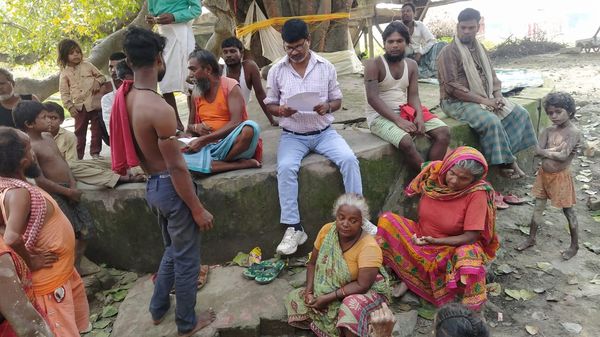
Mr. Ramavarai Sah, Joint Secretary of APAL, recently visited the Chanpatiya colony in Bihar to survey the living conditions in the area
On 22nd October 2024, Mr. Ramavarai Sah, Joint Secretary of APAL, recently visited the Chanpatiya colony in Bihar to conduct a survey of the living conditions in the area. What he discovered was deeply concerning. The colony, which consists of 45 houses, is predominantly in a state of disrepair. An alarming 35 of these homes have broken asbestos roofs, creating significant safety hazards for the residents. The dilapidated conditions highlight the urgent need for intervention, as families struggle to find adequate shelter in an environment that should be a source of security and comfort.
In light of these pressing issues, APAL is taking decisive action to support the community. Next month, we will be mobilizing resources to assist with the involvement of investors, facilitated by the generous efforts of Sister Alexandra. This initiative is designed to enhance the living conditions for families in Chanpatiya by supplying safer and more durable roofing materials. Sister Alexandra’s support is not only pivotal in securing the necessary funds but also symbolizes a collective commitment to rebuilding this community. Through these efforts, we aim to restore a sense of security and dignity to the residents, helping them regain hope for a better future.