NEWS & EVENTS
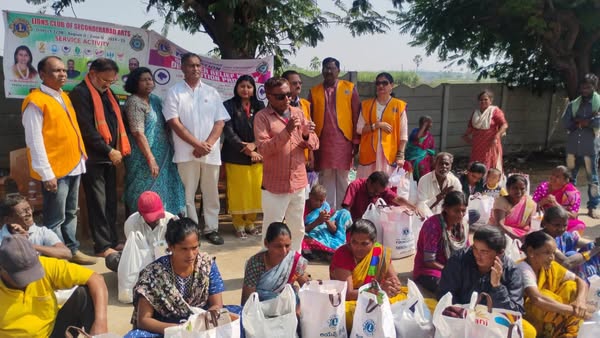
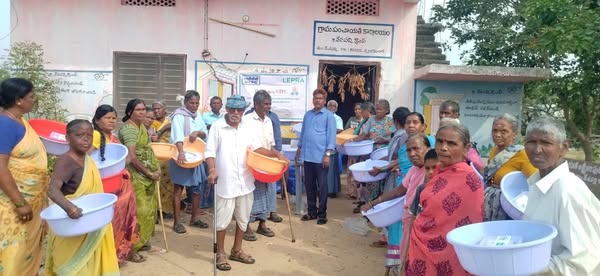
An impactful initiative took place in Devanagari Colony and Devpalli Colony near Ditch Pally, where 134 ulcer kits and tubs were distributed to individuals affected by leprosy.
On Sunday, December 1, 2024, an impactful initiative took place in Devanagari Colony and Devpalli Colony near Ditch Pally, where 134 ulcer kits and tubs were distributed to individuals affected by leprosy. The APAL State Committee in Telangana organized this charitable effort in collaboration with the National Thermal Power Corporation (NTPC) under the auspices of the Leprosy Society. The event was marked by the active participation of M. Ramesh, APAL’s State Coordinator, who emphasized the importance of engaging directly with the community.
The primary objective of the distribution program was to address the essential medical and hygiene needs of residents grappling with the challenges posed by leprosy. The provision of ulcer kits is critical for preventing complications and enhancing the quality of life for those impacted by this condition. This initiative exemplified a profound sense of solidarity and compassion, illustrating the collaborative efforts of organizations and individuals committed to supporting a marginalized population.
Residents from both colonies expressed their sincere gratitude to the officials from NTPC and the representatives of the Leprosy Society for their invaluable support. Their expressions of appreciation highlighted the significance of such initiatives in enhancing their daily lives and instilling a sense of hope and dignity. This partnership is a compelling testament to the effectiveness of community-driven efforts in addressing vital health and social challenges.
State Committee of APAL (Association of People Affected by Leprosy) in Telangana actively participated in a significant meeting organized by the Welfare of Disabled Department. The event, held at the Commissionerate Building, Nalgonda X Road, Hyderabad
On November 22, 2024, the State Committee of APAL (Association of People Affected by Leprosy) in Telangana actively participated in a significant meeting organized by the Welfare of Disabled Department. The event, held at the Commissionerate Building, Nalgonda X Road, Hyderabad, was chaired by Smt. B. Sailaja, Director & Commissioner, Welfare of Disabled Department, Telangana, and Muthineni Veerayya, Chairman of the Telangana State Disabled Co-operative Society. The meeting brought together representatives of various disabled associations across the state to discuss pressing concerns and future initiatives.
State Coordinator of APAL, Mr. Maniyada Ramesh, represented the organization and played an active role in the discussions. The meeting’s agenda focused on the celebration of December 3rd – International Day of Persons with Disabilities. The primary topic of discussion was organizing sports competitions to mark the occasion and promote inclusivity and empowerment.
The meeting also served as a platform to address the challenges faced by disabled individuals in Telangana. Participants engaged in group discussions, where representatives from different associations highlighted specific issues affecting their communities. Mr. Ramesh contributed by sharing insights into the unique struggles faced by people affected by leprosy, advocating for greater inclusion and support for this marginalized group. The collective effort of all associations aimed to bring these concerns to the forefront and seek actionable solutions from the authorities.

Executive Committee of the Association of People Affected by Leprosy (APAL) convened a significant meeting at the Kinder Kabli Hotel in Delhi. The gathering brought together key members of the committee to discuss pressing issues concerning persons affected by leprosy in India
On 22nd November 2024, Executive Committee of the Association of People Affected by Leprosy (APAL) convened a significant meeting at the Kinder Kabli Hotel in Delhi. The gathering brought together key members of the committee to discuss pressing issues concerning persons affected by leprosy in India. During the meeting, the participants analyzed the current living conditions of individuals impacted by the disease, highlighting challenges such as social stigma, limited access to healthcare, and inadequate livelihood opportunities.
The discussions also focused on identifying actionable solutions to improve the quality of life for affected individuals. Key proposals included enhancing awareness campaigns to reduce discrimination, advocating for better government support, and creating sustainable livelihood programs. Additionally, the committee deliberated on future activities and strategic plans to empower individuals affected by leprosy. These plans aim to foster community development, ensure equal opportunities, and advocate for their rights at local and national levels.
The meeting underscored APAL’s commitment to addressing the multifaceted challenges faced by persons affected by leprosy and emphasized the importance of collective efforts to achieve a more inclusive and equitable society.

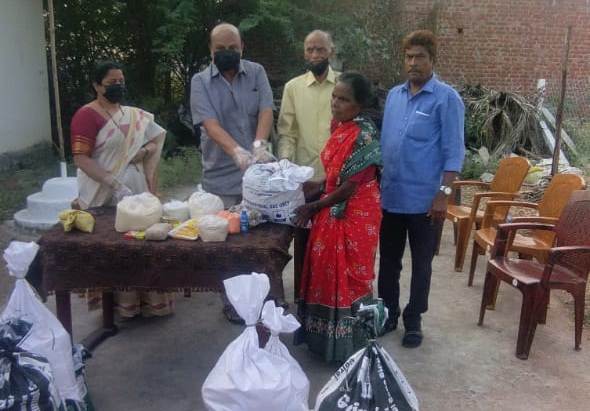
A notable act of compassion and community service occurred under the auspices of the APAL State Committee in Telangana, in collaboration with local humanitarian organizations. This initiative involved the distribution of essential goods to 25 families
On 19 November 2024, a notable act of compassion and community service occurred under the auspices of the APAL State Committee in Telangana, in collaboration with local humanitarian organizations. This initiative involved the distribution of essential goods to 25 families residing in the Santhosh Nagar Leprosy Colony of Pasumamu, reflecting a steadfast commitment to uplifting marginalized communities. The event underscored the importance of providing support to those in need, fostering inclusivity and solidarity.
The initiative was further enhanced through the involvement of LB Nagar Sai Devotees, who contributed their support to this commendable cause. Under the leadership of Maniyada Ramesh, the State Coordinator of APAL in Telangana, the careful and efficient distribution of essential items took place. Notable contributors such as Yam Janardhan Rao, Suresh Chandra, and Geeta played significant roles in ensuring that the outreach effort was both meaningful and impactful.
This initiative exemplified the power of collaboration between community-focused organizations and dedicated individuals. By addressing immediate needs and instilling hope among vulnerable families, APAL and its partners reaffirmed their commitment to advocating for the rights and well-being of leprosy-affected communities while promoting the core values of humanity and compassion.
A complimentary medical camp was organized early in the day at the Indira Leprosy Ashram in Jhotwara, facilitated by the generosity of M/s Shri Krishna Kripa Jewelers, Jaipur
On Monday, 18 November 2024, the State Committee of APAL in Uttar Pradesh, in collaboration with Jaipur, Rajasthan, engaged in a significant act of service through the efforts of Samarpan Chal Chikitsalya Seva, in partnership with Rashtriya Seva Bharti. This initiative was focused on providing assistance to the residents of the city affected by leprosy. Following their successful outreach in Madhya Pradesh, this dedicated team arrived in Pink City with a steadfast commitment to alleviating the challenges faced by this marginalized community.
A complimentary medical camp was organized early in the day at the Indira Leprosy Ashram in Jhotwara, facilitated by the generosity of M/s Shri Krishna Kripa Jewelers, Jaipur. This initiative aimed to deliver essential medical services, including wound cleaning, dressing, and minor surgical procedures. Comprehensive health assessments, such as blood pressure monitoring, diabetes screenings, and thorough blood tests employing advanced technological methods, were also performed to ensure comprehensive care.
In addition to these medical services, experienced healthcare professionals provided individualized consultations, prescribed medications, and administered necessary injections to the patients. The camp further addressed broader health and welfare requirements by distributing sanitary pads to women and offering assistive devices to individuals with disabilities. This comprehensive approach exemplified the spirit of compassion and communal support, significantly impacting the lives of those present at the event.

Mr. Rasul Mullah, serving as the State Coordinator of the Association of People with Disabilities (APAL) in Maharashtra, played an active role in the Consultation on the Status of Rights of Persons with Disabilities in Maharashtra
Mr. Rasul Mullah, serving as the State Coordinator of the Association of People with Disabilities (APAL) in Maharashtra, played an active role in the Consultation on the Status of Rights of Persons with Disabilities in Maharashtra. This significant event, held on November 13, 2024, at the Yashwantrao Chavan Centre, was orchestrated by the National Centre for Promotion of Employment for Disabled People (NCPEDP). The event was further supported through partnerships with Mahatma Gandhi Seva Sangh and the Yashwantrao Chavan Centre, creating a collaborative platform for stakeholders committed to the advocacy and empowerment of individuals with disabilities.
During the consultation, Mr. Mullah contributed valuable insights regarding the current challenges and opportunities faced by persons with disabilities (PWDs) in Maharashtra. His participation underscored the essential work of APAL in addressing the systemic gaps that hinder full inclusion and equal rights. By drawing attention to the importance of policy implementation and social support systems, Mr. Mullah emphasized a roadmap for enhancing accessibility and ensuring comprehensive protection of the rights of PWDs. The gathering brought together policymakers, activists, and community leaders who collectively sought practical solutions to drive legislative and societal changes, with Mr. Mullah’s contributions marking a pivotal voice in the discourse.

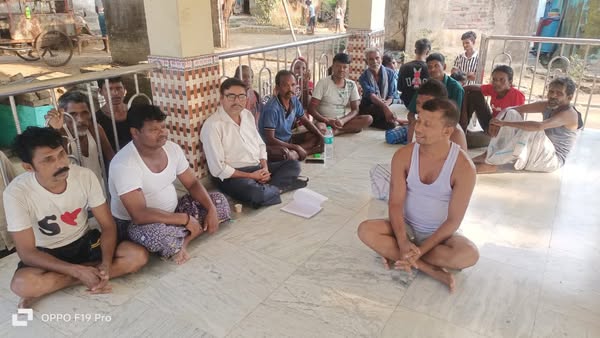
State Committee of the Association of People Affected by Leprosy (APAL) conducted an important meeting with local committee members and the Computer Centre Management Committee at Jamuria Leprosy Colony and Kankar Danga Leprosy Colony
On November 11, 2024, the State Committee of the Association of People Affected by Leprosy (APAL) conducted an important meeting with local committee members and the Computer Centre Management Committee at Jamuria Leprosy Colony and Kankar Danga Leprosy Colony in Paschim Bardhaman, West Bengal. This gathering served as a platform for open dialogue on pressing issues faced by individuals affected by leprosy in these colonies. The meeting brought together representatives, community leaders, and members to address the challenges of day-to-day life, the condition of facilities, and the overall well-being of residents.
During the discussions, participants highlighted the current living conditions, including access to basic healthcare, sanitation, and educational opportunities. Concerns about adequate housing, reliable food supply, and consistent medical support were prominent topics. The local and state committee members exchanged views on the gaps in current provisions and the urgent need for improved support from authorities and non-governmental organizations.
A major part of the meeting focused on formulating practical and sustainable solutions through future activities. Proposals included enhancing the capacity of the computer centers to offer skill development courses that would empower community members, especially the younger generation, to achieve greater economic independence. Participants also discussed advocating for policy changes to ensure better living standards and expanded healthcare access. The APAL leadership emphasized the importance of continued unity and collective action to amplify their voices and bring about meaningful change.
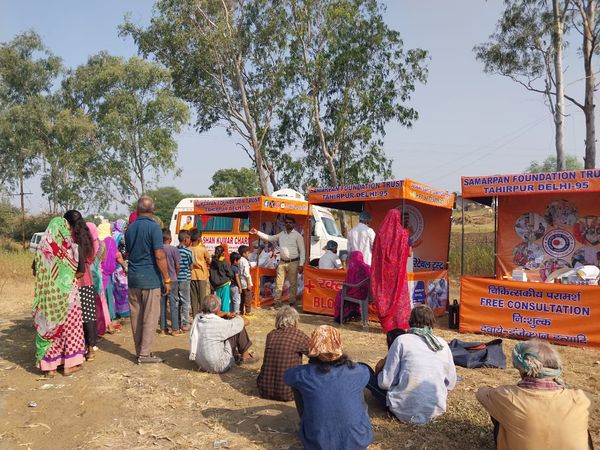
The APAL’s (Association of People Affected by Leprosy) State Committee in Madhya Pradesh, in collaboration with the Samarpan Foundation Trust, successfully organized a two-day medical camp aimed at providing essential healthcare services to the residents of leprosy colonies
The APAL’s (Association of People Affected by Leprosy) State Committee in Madhya Pradesh, in collaboration with the Samarpan Foundation Trust, successfully organized a two-day medical camp aimed at providing essential healthcare services to the residents of leprosy colonies. This initiative was part of APAL’s ongoing efforts to support marginalized communities and ensure their access to medical resources. The first camp took place on November 10, 2024, at the Raja Bhoj Leprosy Colony in Khanpura, followed by a second camp on November 11, 2024, at the Anand Nagar Leprosy Colony in Dhar, Madhya Pradesh.
During these medical camps, comprehensive health checks were conducted, including blood sugar level tests, blood pressure monitoring, and general blood tests. The medical team ensured that the residents were examined for common health concerns and provided with appropriate treatment. In addition, medicines were distributed to patients suffering from ailments such as colds, coughs, fevers, headaches, and other minor illnesses. The camps proved to be highly beneficial, with a total of 145 patients from both colonies receiving medical attention and medication. This initiative not only addressed immediate health issues but also reinforced the commitment of APAL and the Samarpan Foundation Trust to improve the well-being of communities impacted by leprosy in the region.
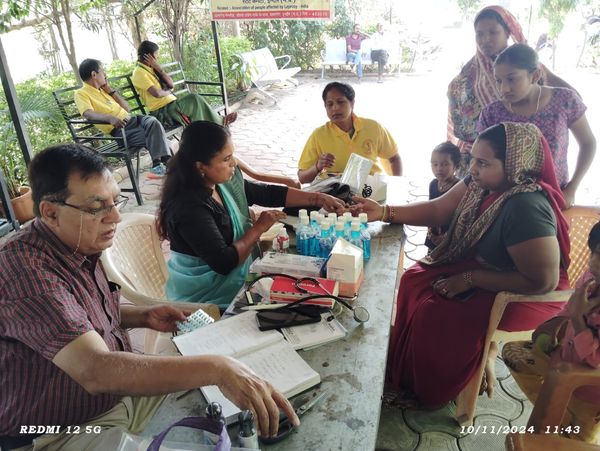
A significant medical camp was organized in Madhya Pradesh, held at the Arunodaya Leprosy Ashram in Indore
On October 11, 2024, a significant medical camp was organized in Madhya Pradesh, held at the Arunodaya Leprosy Ashram in Indore. This event was made possible through the dedicated efforts of APAL’s State Committee in Madhya Pradesh and collaboration with Dr. Nandlal Punjabi. The camp aimed to provide comprehensive health services to the ashram residents, ensuring that their medical needs were addressed without any financial burden. Throughout the day, participants received free blood pressure and blood sugar tests and other essential health check-ups. Additionally, the camp extended its services to treat common ailments such as fever, pain in the hands and feet, body aches, and other health concerns, distributing free medication to those in need.
The event was well-attended, drawing the participation of key members from both APAL and APAL’s State Committee. Present at the camp were Mr. Sarang, APAL’s Secretary, alongside other active members like Mr. Raju Rathore, Mr. Gopal Shinde, Ms. Rekha Bhuria, Ms. Sarita Dhundhle, and Ms. Meera Chauhan. Their involvement underscored a collective commitment to enhancing the well-being of the residents and fostering a sense of community and support. The initiative addressed immediate health needs and reinforced these organisations’ ongoing dedication to improving the quality of life for individuals affected by leprosy and related health issues.
Recently, the state committee of APAL in Telangana collaborated with the Realine Club to make a significant impact on the lives of those in need. Together, they organized a food distribution
On 8th November 2024, The Association of People Affected by Leprosy (APAL) has been steadfast in its mission to support individuals affected by this stigmatized disease, advocating for their rights and well-being. Recently, the state committee of APAL in Telangana collaborated with the Realine Club to make a significant impact on the lives of those in need. Together, they organized a food distribution event at Santosh Nagar colony in Hyderabad, where essential food grains were provided to 31 persons affected by leprosy. This initiative was aimed at addressing food insecurity and offering relief to those who often face social and economic challenges due to their condition.
APAL expressed deep gratitude towards the Realine Club for their invaluable contribution to this cause. Their support has been a beacon of hope and compassion for individuals facing health and social challenges. The club’s commitment to aiding the most vulnerable segments of society exemplifies true humanitarian service and community solidarity.
I’d like to thank Mr. Maniyada Ramesh, the state coordinator of APAL in Telangana, for his dedicated and active involvement. His leadership and tireless efforts played a crucial role in coordinating this event, ensuring that the beneficiaries received the assistance they needed. The collaboration between APAL, the Realine Club, and Mr. Maniyada Ramesh is an inspiring example of how collective efforts can uplift communities and bring positive change to those often overlooked.