NEWS & EVENTS
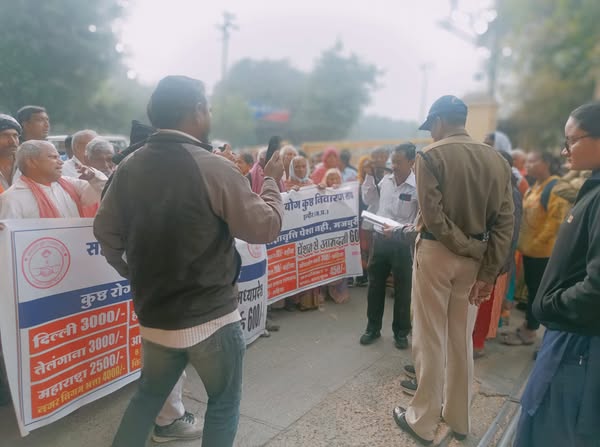
Mr. Sarang Gayadhane, General Secretary of APAL, together with the State Committee and leaders from nine leprosy colonies, recently convened with the District Magistrate of Indore to present a memorandum advocating for an increase in social entitlements and disability pensions for individuals who have been cured of leprosy
Mr. Sarang Gayadhane, General Secretary of APAL, together with the State Committee and leaders from nine leprosy colonies, recently convened with the District Magistrate of Indore to present a memorandum advocating for an increase in social entitlements and disability pensions for individuals who have been cured of leprosy. This commendable initiative aims to alleviate the financial difficulties encountered by those who depend on these pensions for their basic needs and overall well-being. The delegation’s proactive engagement highlights their commitment to securing dignity and financial stability for individuals affected by leprosy and disabilities.
The advocacy for an increase in these pensions represents a critical and necessary measure towards addressing disparities in social support systems across India. While regions such as Delhi, Telangana, and Haryana provide pensions of Rs 3,000 per month, and Maharashtra offers a disability pension of Rs 2,500 in addition to a municipal allowance of Rs 4,000, Madhya Pradesh significantly trails behind with a mere Rs 600. In contrast, Andhra Pradesh exemplifies progressive policy by providing a disability pension of Rs 6,000 and additional support for individuals experiencing more than 80% disability. This stark disparity underscores the urgent need for uniform and equitable pension policies that ensure all individuals, regardless of their geographic location, receive adequate financial assistance to sustain a dignified standard of living.
Mr. Gayadhane and his team’s efforts are both commendable and serve as a potent call to action for policymakers. By drawing attention to these inequities, they are advocating for the rights and welfare of marginalized communities. Their ongoing dedication is poised to resonate with governmental authorities, encouraging meaningful reforms in pension policies. With sustained advocacy and community involvement, there exists a potential for a more promising future where every individual affected by leprosy and disabilities can live with dignity and financial security.
APAL expresses its gratitude to the District Magistrate for his affirmative response and assurance that he will communicate with the Chief Minister of Madhya Pradesh regarding favourable actions for individuals affected by leprosy.
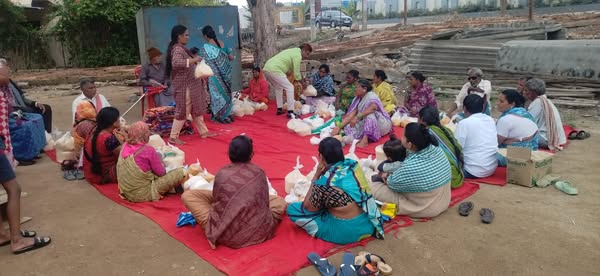
A significant event occurred at the Shantinagar Leprosy Colony and Balajinagar Mother Teresa Leprosy Colony, where essential commodities and blankets were distributed to 53 individuals affected by leprosy
On Thursday, 26th December 2024, a significant event occurred at the Shantinagar Leprosy Colony and Balajinagar Mother Teresa Leprosy Colony, where essential commodities and blankets were distributed to 53 individuals affected by leprosy. This distribution was conducted under the compassionate leadership of Maniyada Ramesh, the State Coordinator for APAL in Telangana, alongside K. Anusuya, the Vice President of APAL’s State Committee, both of whom were present to oversee and support the initiative. The effectiveness of the program was further enhanced by the involvement of Shivarani Madam and Venkateshwari from the Society of Rural Development (SRD), who played a crucial role in organizing the event and ensuring the distribution was executed efficiently. The elders of the colony, including Samuel Rahimatullah, CH Mallaiah, and Y. Chakali, conveyed their deep gratitude on behalf of the residents, expressing appreciation for the solidarity and commitment demonstrated by the APAL State Committee leadership and the SRD team. The provision of blankets and essential commodities provided substantial relief to the recipients during the colder months, thereby reinforcing the ideals of care and support for the leprosy-affected community. This thoughtful initiative addressed immediate needs and promoted a sense of dignity and inclusion among the residents, inspiring hope and optimism for a more promising future
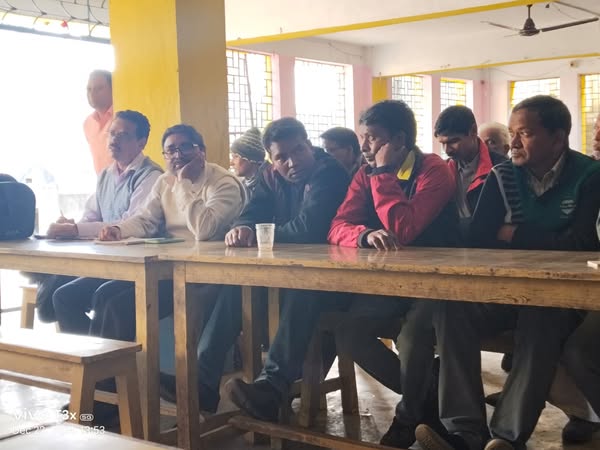
APAL’s State Committee in West Bengal organized the Sara Bangla Kustha Kalyan Samity Central Committee Meeting at Manipur, Adra, West Bengal.
On 22nd December 2024, APAL’s State Committee in West Bengal organized the Sara Bangla Kustha Kalyan Samity Central Committee Meeting at Manipur, Adra, West Bengal. The meeting served as a platform for key discussions on two significant agenda points.
Firstly, detailed plans were discussed for the observance of Anti-Leprosy Day in 2025. The committee emphasized the importance of raising awareness about leprosy, promoting early detection and treatment, and addressing the social stigma faced by affected individuals. Various activities were proposed, including awareness campaigns, medical camps, and community engagement programs, to ensure widespread participation and impact.
Secondly, the committee deliberated on organizational matters to enhance the effectiveness and reach of their initiatives. They reviewed the current structure, identified areas requiring improvement, and proposed strategies for stronger coordination among member organizations. The discussions aimed at building a unified and robust approach to advocating for the rights and welfare of leprosy-affected individuals in West Bengal.
The meeting concluded with a strong commitment from all members to work collaboratively towards these goals, reaffirming their dedication to the cause.
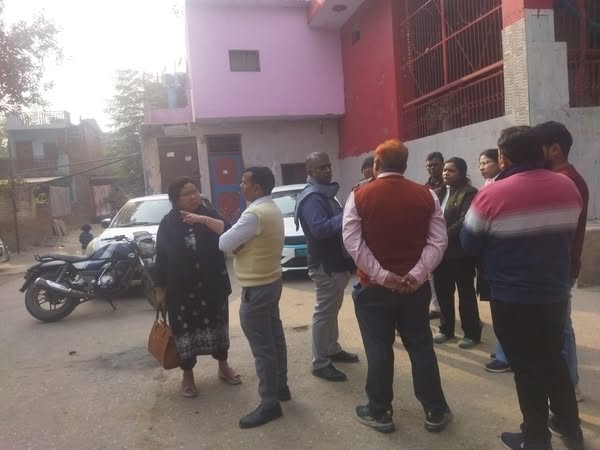
A significant meeting took place at the Leprosy Ashram in Tahirpur, convened at the request of the State Committee of APAL in Delhi and Mr. Vijay Kumar, the General Secretary of the RWA Leprosy Complex.
On December 20, 2024, a significant meeting took place at the Leprosy Ashram in Tahirpur, convened at the request of the State Committee of APAL in Delhi and Mr. Vijay Kumar, the General Secretary of the RWA Leprosy Complex. The Deputy Director General of Leprosy (DDGL) of Delhi, accompanied by key officials from his department, visited the ashram to address the urgent concerns of the residents affected by leprosy.
The discussions primarily focused on the population residing within the ashram and the critical need for consistent medical care, which includes the regular provision of medications and appropriate dressing for leprosy patients. These matters received particular emphasis during the dialogue, indicating the authorities’ commitment to enhancing the residents’ living and healthcare conditions.
The residents and the RWA expressed their sincere gratitude to the DDGL and the accompanying officials for their visit and for the constructive discourse that suggests actionable steps toward addressing these challenges.
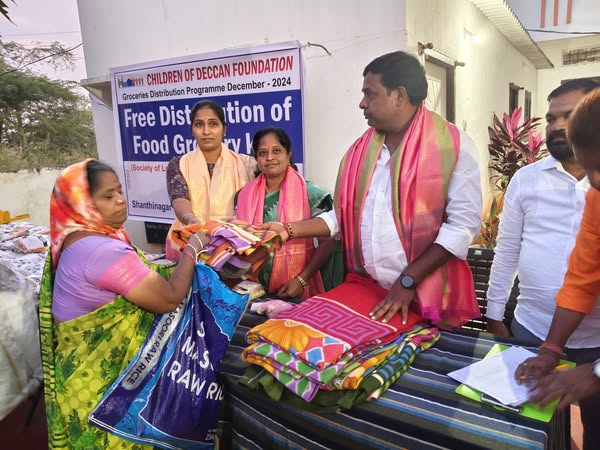
APAL’s State Committee in Telangana, in collaboration with the Children of Deccan Foundation, has recently distributed food grains and blankets to persons affected by leprosy and their families
APAL’s State Committee in Telangana, in collaboration with the Children of Deccan Foundation, has recently distributed food grains and blankets to persons affected by leprosy and their families. This compassionate initiative, led by the foundation’s founder, N. Malkanna Garu, and Chairperson Pandugula Jayasri Garu, underscores their commitment to supporting vulnerable communities. The distribution program is part of a broader effort to uplift individuals affected by leprosy, focusing on their socio-economic empowerment and overall welfare. These collaborative actions have instilled a renewed sense of hope and unity within leprosy-affected communities across Telangana.
Councillor Vidhyavathi Vejender Reddy Garu has been instrumental in connecting these communities to essential government schemes and resources. Working closely with Maniyada Ramesh, APAL’s Telangana State Coordinator, she has ensured that the affected individuals are aware of their rights and have access to basic necessities. Their persistent advocacy efforts have brought significant improvements in addressing the pressing needs of these communities, resulting in meaningful welfare programs.
Additionally, Samuel Garu and Puja have made notable contributions by dedicating their efforts to enhancing the living standards of leprosy-affected families. Their collective endeavours have created a positive impact, empowering individuals to lead dignified lives while promoting their integration into mainstream society. Together, this team continues to make remarkable strides in building a more inclusive and supportive environment for those affected by leprosy in Telangana.
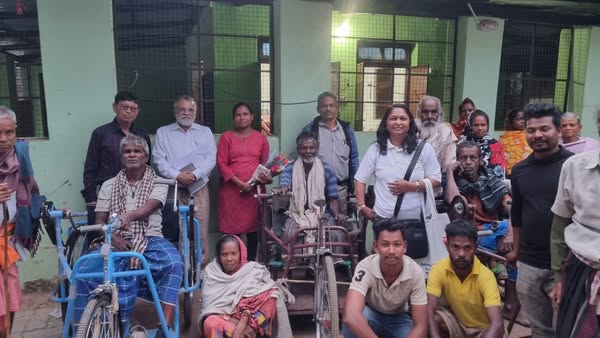
The Executive Committee (EC) members of the Association of People Affected by Leprosy (APAL), along with Dr. Ranganadh Rao, Program Advisor of Sasakawa Health Foundation (SHF), recently visited several leprosy colonies in Odisha.
The Executive Committee (EC) members of the Association of People Affected by Leprosy (APAL), along with Dr. Ranganadh Rao, Program Advisor of Sasakawa Health Foundation (SHF), recently visited several leprosy colonies in Odisha. The visit aimed to gain a firsthand understanding of the challenges faced by persons affected by leprosy and their families. The delegation interacted with the residents, discussing their current living conditions and the availability of social entitlements such as disability pensions, housing, healthcare, and educational support. Through these interactions, the team sought to identify gaps and explore viable solutions to improve the socio-economic status of the affected communities.
Ms. Maya Ranavare, President of APAL, Mr. Jawahar Ram Paswan, Vice President of APAL, and Mr. Prabhakar Sahoo, Executive Member of APAL, played instrumental roles during the visit. They engaged directly with the colony residents, listening to their concerns and providing assurance of continued advocacy for their rights. The discussions also focused on enhancing access to essential entitlements and addressing systemic barriers that hinder the well-being of leprosy-affected individuals. Dr. Ranganadh Rao shared insights and strategic recommendations to empower the community and integrate them into mainstream society. This collaborative effort reflects APAL’s commitment to fostering dignity and equality for persons affected by leprosy in Odisha and beyond.
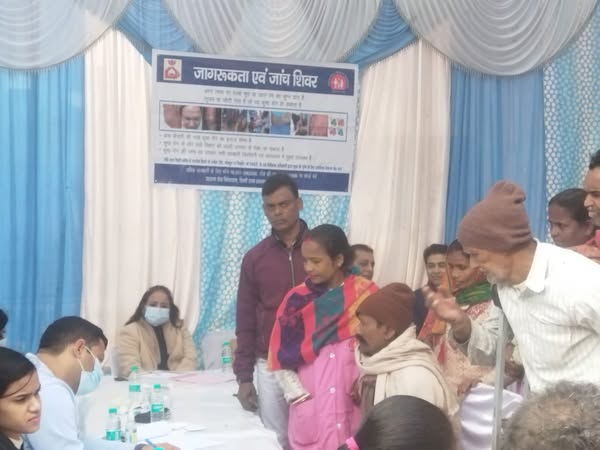
The tireless efforts of Apal India s State Committee in Delhi and Mr. Vijay Kumar, the General Secretary of the RWA Leprosy Complex in Tahirpur, Delhi, a successful camp was organized by Sarvodaya Kusth Ashram
On 18th December 2024, with the tireless efforts of Apal India s State Committee in Delhi and Mr. Vijay Kumar, the General Secretary of the RWA Leprosy Complex in Tahirpur, Delhi, a successful camp was organized by Sarvodaya Kusth Ashram. The event witnessed active participation from the State Leprosy Officer, the District Leprosy Officer (DLO), and other departmental doctors, who played a significant role in ensuring the camp’s success.
During the camp, MCR slippers were distributed to members affected by leprosy, addressing their need for specialized footwear to prevent complications. In addition, comprehensive health check-ups were conducted, including blood pressure, blood sugar, and eye examinations. After the screenings, spectacles were distributed to needy individuals, significantly enhancing their quality of life.
All attendees deeply appreciated the commitment and time contributed by the medical team and organizers. The residents expressed heartfelt gratitude to the entire team for their dedication and support, demonstrating a collective effort toward improving the welfare of leprosy-affected individuals
Ms. Maya Ranavare, in collaboration with Dr. Ranganadh Rao, Programme Advisor on Medical Issues at the Sasakawa Health Foundation (SHF), and members of APAL’s State Committee in Odisha, recently convened a significant meeting with the Social Minister, Chief Secretary, and State Leprosy Officer of Odisha
On 17th December 2024, the President of the Association for Persons Affected by Leprosy (APAL), Ms. Maya Ranavare, in collaboration with Dr. Ranganadh Rao, Programme Advisor on Medical Issues at the Sasakawa Health Foundation (SHF), and members of APAL’s State Committee in Odisha, recently convened a significant meeting with the Social Minister, Chief Secretary, and State Leprosy Officer of Odisha. This meeting was designed to promote dialogue aimed at enhancing services for individuals affected by leprosy and their families, with an emphasis on collaborative approaches to effectively address their needs. The discussion highlighted the critical role of partnerships between APAL and the state government in improving healthcare, social protection, and livelihood opportunities for the leprosy-affected community.
During the meeting, representatives from APAL articulated several key concerns faced by individuals impacted by leprosy, including the necessity for improved access to healthcare, disability certification, and social welfare programs. To ensure a thorough understanding and transparency in the discussion, members of APAL presented the government officials with their Annual Report, which comprehensively detailed the organization’s activities, achievements, and ongoing initiatives. This report served as evidence of APAL’s commitment to the socio-economic empowerment of the leprosy-affected population.]
The meeting included the active participation of Mr. Jawahar Paswan, Vice President of APAL, and Mr. Prabhakar Sahoo, Executive Member of APAL, both of whom contributed significantly to the discourse. Their involvement reinforced APAL’s unwavering commitment to advocating for the rights and dignity of individuals affected by leprosy. This constructive engagement with officials from the Odisha government represents a pivotal advancement towards bolstering collaboration and delivering effective solutions for the leprosy-affected community within the state.
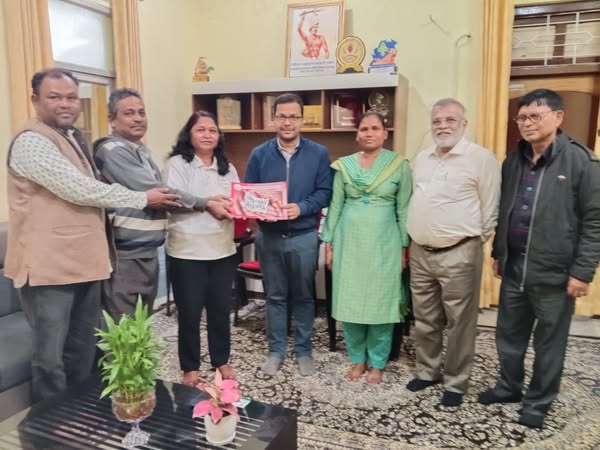
The APAL State Committee in Bihar convened an important meeting in Areraj Colony to discuss key developments concerning the implementation of the Pradhan Mantri Awas Yojana (PMAY).
The APAL State Committee in Bihar convened an important meeting in Areraj Colony to discuss key developments concerning the implementation of the Pradhan Mantri Awas Yojana (PMAY). They engaged with the mukhiya (village head) and other local officials to review the progress and challenges surrounding the scheme’s execution. The committee noted with satisfaction that approval has been granted for the construction of 24 houses in this region, and the focus of the meeting was to strategize on the practical steps necessary for the successful completion of these homes.
During the discussions, they worked in tandem with local representatives to understand the unique needs of the community and resolve any logistical hurdles. Detailed plans were laid out to ensure the construction of these 24 houses is completed efficiently, adhering to quality standards and cost-effective measures. There was a consensus on maintaining clear communication and accountability throughout the process to prevent any delays or irregularities.
The dedication and cooperation displayed by all participants underscored the importance of this initiative for the betterment of the community. Moving forward, the APAL State Committee is committed to closely supervising the project, ensuring transparency, and addressing any issues that arise. This effort marks a significant step toward providing safe and dignified housing for families in need, and they are determined to see this mission through to its successful completion.
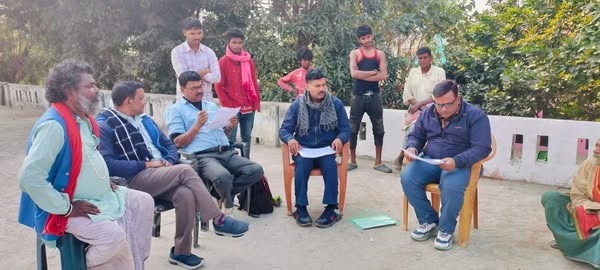
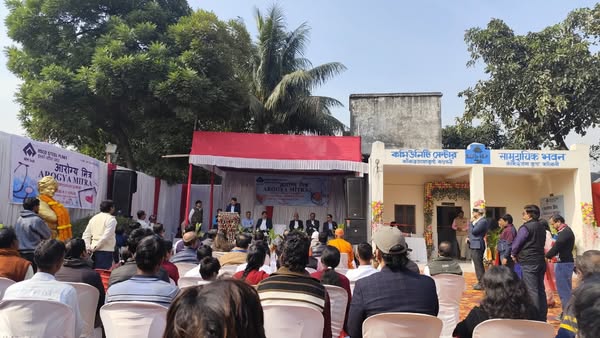
A significant milestone was achieved in Kankar Danga Leprosy Colony, Burnpur, West Bengal, with the inauguration of a new healthcare center.
On December 20, 2024, a significant milestone was achieved in Kankar Danga Leprosy Colony, Burnpur, West Bengal, with the inauguration of a new healthcare center. The inauguration ceremony was presided over by Shri B.P. Singh, the esteemed Director-in-charge of the Burnpur Steel Plant and Durgapur Steel Plant, in collaboration with the State Committee of APAL. This healthcare center is set to play a pivotal role in improving healthcare access for the community.
The new facility will provide essential medical services to residents of Kankar Danga Leprosy Colony as well as those from five surrounding villages, ensuring accessible and quality healthcare for a larger population.
Its establishment underscores a strong commitment to inclusive healthcare, addressing the needs of marginalized and leprosy-affected communities. This collaborative effort marks a significant step forward in empowering these communities with better health infrastructure and support, fostering a positive impact on their quality of life.