**APAL Interaction Meeting in Bihar Focuses on Leprosy Services and Community Welfare**
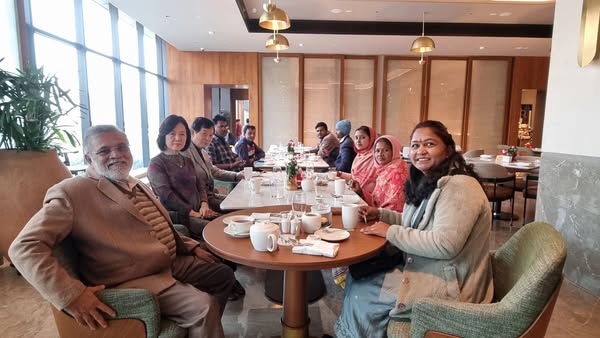
The Association of People Affected by Leprosy (APAL) recently convened an Interaction Meeting with its State Committee in Bihar, aimed at enhancing leprosy services and addressing the challenges faced by communities affected by leprosy. This meeting provided a forum for comprehensive discussions regarding the current conditions of leprosy communities and colonies in Bihar. Participants articulated insights into the social, medical, and economic challenges encountered by individuals and families impacted by leprosy. The dialogue concentrated on identifying sustainable, long-term solutions to empower these communities, enabling them to live with dignity and integrate into mainstream society.
The meeting was marked by the active participation of several key leaders and advisors. Mrs. Maya Ranavare, President of APAL, underscored the necessity of inclusive strategies to elevate the status of the leprosy-affected population. Mr. Ramavarai Sah, Joint Secretary of APAL, emphasized the ongoing need for efforts to enhance healthcare access and facilitate social integration. The event also featured contributions from Mr. Keiji Nakajima, Advisor to the Sasakawa Health Foundation, and Mrs. Michiko Nakajima, who offered valuable international perspectives on advancing leprosy services. Dr. Ranganadh Rao, Programme Advisor on Medical Issues, presented significant medical insights, focusing on innovative methods for care and prevention.
This collaborative meeting represented a substantial advancement in addressing the multifaceted issues faced by leprosy communities in Bihar. It reaffirmed APAL’s commitment to fostering an inclusive society where individuals affected by leprosy can thrive free from stigma and discrimination. The outcomes of these discussions will inform future initiatives and fortify APAL’s mission to transform lives, ensuring the integration of affected individuals into the social fabric with dignity and equality.