APAL Moti Sagar (Sitamarhi) Leprosy Ashram Visit:
On June 12, the APAL State Committee visited the Moti Sagar Leprosy Ashram located in Sitamarhi, Korba. The ashram supports children studying up to the 11ᵗʰ standard through scholarship programs, ensuring their education is not disrupted despite health challenges. During the visit, it was observed that this colony consists of 28 houses with a total of 85 residents affected by leprosy. A critical need noted was the uninterrupted availability of daily medications and ulcer care, which are essential for both children and adults to maintain their treatment regimen and prevent complications.
Leprosy Ashram, Mudapar (Korba):
Later in the day, the team visited another leprosy-affected colony in the area—referred to locally as the Leprosy Ashram at Mudapar. This community comprises 24 households with 35 individuals currently undergoing treatment. Among them, six people are affected by “pushp” (ulcerated lesions), which require immediate and focused medical attention. The APAL team emphasized the importance of establishing a consistent supply chain for daily drugs as well as dressing materials to manage ulcers effectively and avoid disability.
Community Self‑Care Training at Dildar and Beldar Paras:
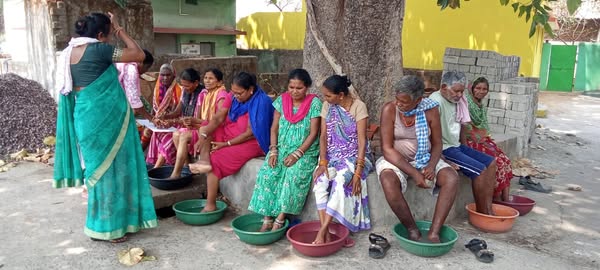
In parallel, APAL members conducted self-care training sessions in two nearby paras—Dildar Para and Beldar Para. These sessions covered essential practices such as daily wound cleaning, proper dressing techniques, and hygiene habits to prevent secondary infections. By empowering residents with practical self-care knowledge, the committee aimed to reduce the burden on healthcare providers and promote sustained ulcer management at the community level.
Summary of Imperatives and Future Action Plan:
The June 12 visit underscored several urgent needs across the colonies:
A stable supply of daily leprosy medication for both children and adults, especially in educational settings like Moti Sagar.
Access to ulcer care supplies, including dressings and antiseptics, particularly for the six residents with pushp.
Continued scholarship support for school-going children to link health and education outcomes.
Ongoing self-care initiatives in paras to reinforce skills and independence in managing leprosy complications.
With 85 individuals in Sitamarhi and 35 in Mudapar, making a combined total of 120 people affected, the APAL State Committee’s coordinated efforts to deliver medication, education, ulcer care, and community training are vital. Sustained follow-up, resource mobilisation, and caregiver empowerment will significantly improve health outcomes and prevent further disabilities.